



Backstop Bearing and Sprag Clutch Comparison for 2026

You often see backstop bearing and sprag clutch in machines. Backstop bearing stops things from turning backward. Sprag clutch lets things turn one way but locks the other way. Picking the right part helps keep people safe. It also helps machines work well. Real products like the Tianniu Backstop Clutch show this. Good choices in design, performance, and care matter a lot.
Key Takeaways
Backstop bearings stop things from moving backward. They are very important for safety in big machines like conveyor belts and elevators.
Sprag clutches let things move one way smoothly. They work best in lighter machines like gearboxes and automatic transmissions.
Picking the right part is very important. Using a backstop bearing or sprag clutch the wrong way can break the machine or cause danger.
Both backstop bearings and sprag clutches need regular care and checks. This helps them last longer and work well.
Knowing what your machine needs helps you pick the right part. This makes the machine work better and keeps it safe.
Backstop Bearing vs Sprag Clutch
Key Differences
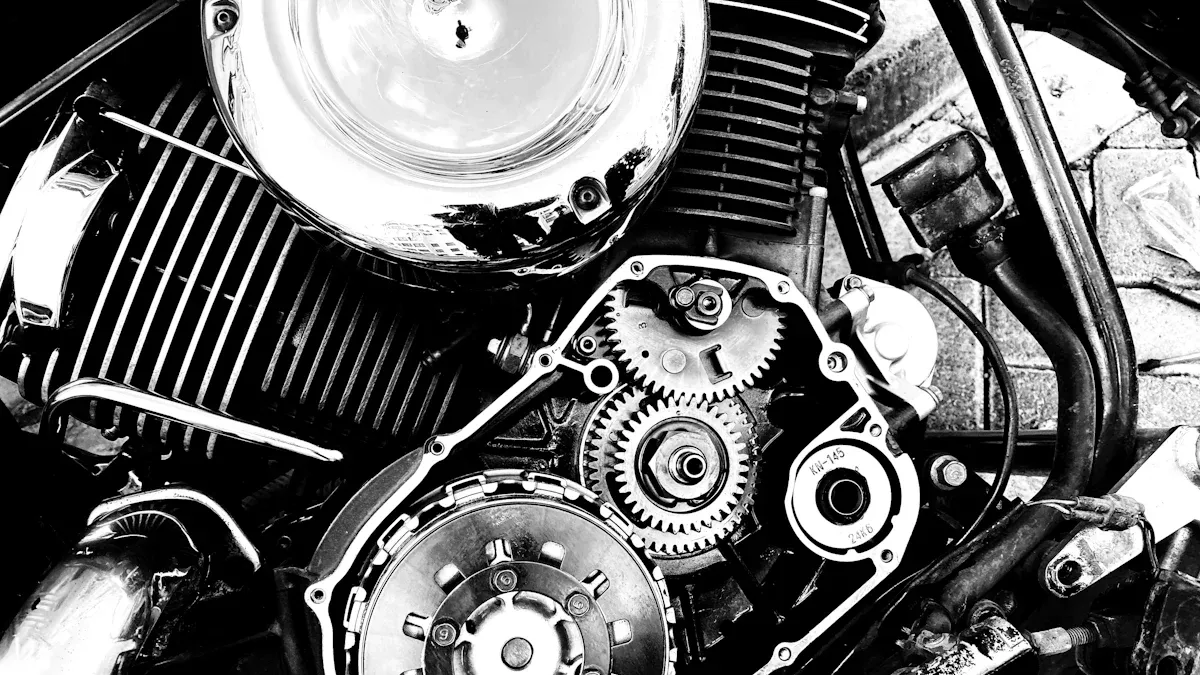
Backstop bearings and sprag clutches are used in many machines. Both control how things move, but they do not work the same way. A backstop bearing stops a shaft from spinning backward. You use it when you want to stop reverse turning. A sprag clutch lets a shaft turn one way but locks if it tries to go the other way. Sprag clutches are used when you need movement in only one direction.
Here are some main differences you should know:
Backstop bearings keep loads steady if something goes wrong. Sprag clutches let things move one way and block the other.
You find backstop bearings in conveyor belts, elevators, and winches. Sprag clutches are good for indexing systems, gearboxes, and automatic transmissions.
Backstop bearings help keep people safe by stopping backward motion. Sprag clutches make machines start and stop smoothly.
These differences are important in real life. The table below shows how each type works in different machines:
Application Type | Functionality |
|---|---|
Backstop Clutch | Holds loads if something fails |
Conveyors & Winches | Stops loads from moving backward |
High Voltage Switching | Works as a safety part |
Textile Machine | Keeps material feed safe |
Industrial Fan | Protects the motor |
Indexing Clutch | Controls round-and-round movement |
Why the Distinction Matters
You must pick the right part for your machine. Choosing between a backstop bearing and a sprag clutch changes how your machine works. Using the wrong one can break your machine or make it unsafe. For example, a sprag clutch helps gearboxes shift smoothly. A backstop bearing stops conveyor belts from rolling backward, which keeps workers and products safe.
Today, more factories use machines that work by themselves. You see sprag clutches and backstop bearings in places like factories, mines, and farms. These parts help machines work faster and safer. Many companies change old clutch systems for new ones to make things better. Almost half of overrunning clutch jobs are in turbines, pumps, and automatic lines. This shows these parts are important for clean energy and new ways of making things.
There is more need for light and strong sprag clutches in planes and self-driving cars. Backstop bearings are still used in big machines that need to stop reverse motion. Picking the right part helps your machine last longer and work well.
Tip: Always check what your machine needs before you pick a backstop bearing or sprag clutch. The right part keeps your machine safe and working well.
Backstop Bearing Overview
What Is a Backstop Bearing
A backstop bearing stops a shaft from turning backward. It helps keep machines safe. This bearing lets things spin one way only. If something tries to turn the shaft the wrong way, it locks up. You see these bearings where going backward can be risky. Engineers call them backstopping mechanisms because they help control machines.
How Backstop Bearings Work
Backstop bearings have a simple design. The inner ring spins when the machine runs. The outer ring does not move and stops reverse turning. When the machine slows or stops, the bearing locks fast. It keeps the shaft from moving backward. This keeps people and machines safe. Many backstop bearings use a ratchet-and-pawl system. The ratchet turns easily in the right way. If the shaft goes backward, the pawl locks it. This happens by itself and gives good safety.
The bearing spins free until something tries to go backward.
It locks right away to stop dangerous movement.
You do not need to turn it on; it works by itself.
Note: Backstop bearings are very important for safety. They make sure machines only move the way you want.
Typical Applications
Backstop bearings are used in many places. They are found in conveyor belts, elevators, and escalators. These bearings also work in gearboxes, mining tools, and cement machines. In cars, they help control movement and stop back-driving. As more factories use robots, these bearings are needed even more. They help machines work well and last longer. You also see them in packaging and other automatic systems. Backstop bearings protect machines and keep workers safe.
Sprag Clutch Overview
What Is a Sprag Clutch
You might ask what makes a sprag clutch special. In machines, a sprag clutch is a one-way freewheel clutch. It has figure-eight shaped sprags inside. These sprags let things turn only one way. If you try to turn it backward, the sprags get tight and stop it. This design helps control how things move. It also stops machines from turning the wrong way.
Sprag clutches are part of roller ramp clutches. These clutches use small parts like sprags or rollers. The parts grip or let go when needed. There are different types of sprag clutches. Each type is made for certain jobs and loads.
How Sprag Clutches Work
A sprag clutch lets two parts spin together in one way. If you try to turn them back, the clutch locks and stops them. This happens because the sprags wedge between the rings.
Sprag clutches move torque in one direction, called the 'engaged direction.' In this way, both parts turn together. They spin at the same speed. The driving part controls the movement.
When you turn the shaft the right way, the sprags press on ramps. This locks the parts and moves the load. If you turn the shaft back, the sprags lift up. The parts can then spin freely.
When torque goes the right way, the sprags wedge on the ramps. This locks the inner and outer races. The clutch moves torque well. If torque goes the other way, the sprags lift off. The races do not lock. The parts can spin without stopping.
This simple action makes roller ramp clutches very strong and useful.
Common Uses
Sprag clutches are used in many important places. They help machines stay safe and work well. Here are some common uses:
Aerospace: Used in helicopter rotorheads and aircraft control systems. They are needed for safety and good performance.
Industrial Machinery: Found in printing presses, textile machines, and packaging tools. They help control spinning parts.
Logistics: Used in conveyor systems. They stop things from rolling backward and keep work safe.
Automotive: Used in automatic transmissions and starter motors. They help gears shift smoothly and engines start easily.
Energy Sector: Used in wind turbines and hydroelectric generators. They stop reverse turning.
Sprag clutches and roller ramp clutches are important in these jobs. The sprag design helps machines work better and last longer.
Design and Operation
Mechanical Principles
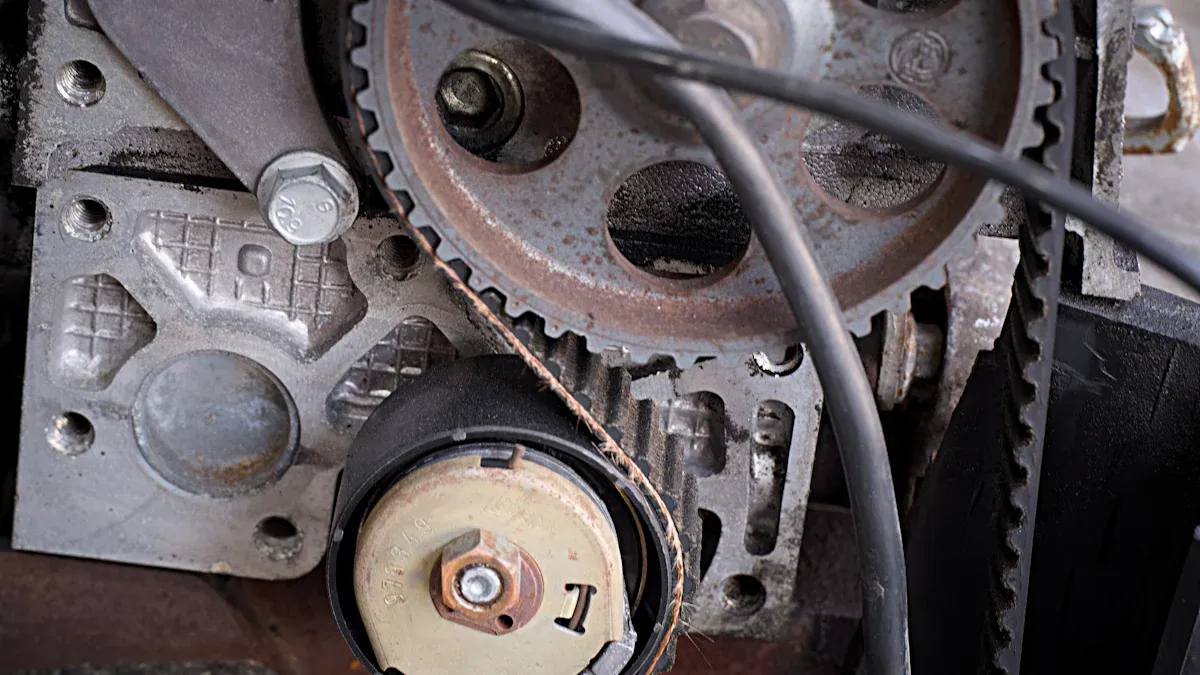
You can understand how backstop bearings and sprag clutches work by looking at their basic mechanical ideas. Both devices help control movement in machines. A sprag clutch uses a group of small wedge-shaped pieces called sprags. These sprags sit between the inner and outer rings. When you turn the outer ring faster than the inner ring, the sprags move and press against the inner ring. This action creates friction and locks the rings together. The clutch then allows power transmission in one direction. If you try to turn the rings the other way, the sprags slip and let the rings spin freely. This stops reverse movement and protects your machine.
Roller ramp clutches use a similar idea. They have rollers or sprags that move up ramps inside the clutch. When you turn the clutch in the right direction, the rollers or sprags wedge themselves and lock the parts together. This lets you transfer power smoothly. If you turn the clutch the wrong way, the rollers or sprags roll back down the ramps and unlock. This stops power transmission in the reverse direction.
You can see that both sprag clutches and roller ramp clutches use simple mechanical tricks to keep machines safe and working well.
Construction Differences
You will notice some clear differences in how backstop bearings and sprag clutches are built. A sprag clutch has many small sprags arranged in a circle. These sprags fit tightly between two rings. The shape and angle of each sprag help it lock or unlock as needed. Roller ramp clutches use rollers instead of sprags, but the idea is the same. The rollers move up and down ramps inside the clutch.
Backstop bearings often use a ratchet-and-pawl system or a set of sprags. The main goal is to stop backward movement. The parts must be strong and able to handle heavy loads. You will find that roller ramp clutches and sprag clutches both use strong materials to last a long time. Their designs make them easy to use in many machines where one-way power transmission is important.
Performance and Maintenance
Load and Speed
You need to think about load and speed when you choose between backstop bearings and sprag clutches. Backstop bearings handle heavy loads and high torque capacity. They work well in machines that need strong power transmission. Sprag clutches also support power transmission, but they often fit best in systems with fast speeds and lighter loads. If your machine needs to stop reverse motion under a heavy load, a backstop bearing is a good choice. If you want smooth one-way movement at high speed, a sprag clutch works well.
Durability and Service Life
You want your machine parts to last a long time. Backstop sprag clutches have a robust design. They can handle high shock loads and keep working in tough places. This makes them reliable for heavy-duty jobs. You will see them in factories where safety and long service life matter most. Sprag clutches also last a long time if you use them the right way. Both types can work for years, but you must protect them from harsh conditions.
Environmental factors like temperature and humidity can change how well these parts work.
The MZ CAM Clutch, for example, works best between -5°C and 40°C.
Using covers or seals helps your clutch last longer.
If you keep your machine clean and dry, you help both types last longer.
Maintenance Needs
You must follow good maintenance steps to keep your clutches and bearings working well. Backstop bearings may need different maintenance and lubrication steps. These steps can change the warranty you get. Sprag clutches often come with a 1-year warranty. You should check for overloading, poor lubrication, and contamination. These problems can cause sprag clutches to wear out faster.
Always follow maintenance tips for sprag clutches.
Check for dirt and oil often.
Replace worn parts right away.
Regular maintenance keeps your machine safe and helps it deliver high torque capacity for a long time.
Comparison Table
Side-by-Side Summary
You might want to know how backstop bearings and sprag clutches are different. The table below shows their main features next to each other. This can help you pick the right part for your machine.
Feature | Backstop Bearing | Sprag Clutch |
|---|---|---|
Main Function | Stops reverse rotation | Allows one-way rotation |
Typical Use | Conveyor belts, elevators, winches | Indexing, overrunning, backstopping |
Locking Mechanism | Ratchet-pawl or sprag | Sprags (wedge-shaped pieces) |
Load Capacity | Handles heavy loads | Handles light to medium loads |
Speed Range | Works at low to moderate speeds | Works at moderate to high speeds |
Maintenance | Needs regular checks and lubrication | Needs less frequent maintenance |
Installation | Simple, often direct fit | May need precise alignment |
Durability | Very robust, long service life | Long life if used correctly |
Safety Role | Prevents accidents from backspin | Smooth operation, prevents jamming |
Example Product | Tianniu Backstop Clutch | MZ CAM Clutch |
Tip: Look at this table when picking machine parts. It helps you choose what works best for your job.
️ Backstop bearings are great for tough jobs where safety is important.
️ Sprag clutches are good for machines that need to move in just one direction.
Each part is strong in its own way. If you need to stop things from going backward, use a backstop bearing like the Tianniu Backstop Clutch. If you want things to move one way only, use a sprag clutch. Always check what your machine needs before you pick.
Application Suitability
When to Use a Backstop Bearing
Use a backstop bearing if your machine cannot turn backward. This is very important when going backward can break things or hurt people. For example, in conveyor systems, a backstop bearing stops the belt from rolling back if power goes out. You also see these bearings in elevators and strong winches. The Tianniu Backstop Clutch works well for these jobs. It helps your machines stay safe and work right. If you want to keep workers safe and stop machine problems, use a backstop bearing in these cases.
Note: Backstop bearings are important in conveyors. They stop loads from moving the wrong way and help keep your workplace safe.
When to Use a Sprag Clutch
Use a sprag clutch if you need one-way turning that is smooth. Sprag clutches are good for jobs that need high torque and small size. You find them in indexing systems, gearboxes, and automatic transmissions. In mining and moving materials, sprag clutches stop reverse movement in conveyor systems. This helps machines work better and keeps people safe. They also stop runback in slanted conveyors, which protects machines and people if power fails. To pick the right sprag clutch, check your machine’s speed, load, and which way it needs to turn.
Sprag clutches give high torque.
They fit in small places.
They stop reverse motion, which is very important for safety.
Industry Examples
You see both backstop bearing and sprag clutch in many jobs. In mining, a backstop keeps heavy conveyor belts from going backward. This keeps machines and workers safe. In material handling, sprag clutches help conveyor systems move loads safely. They stop accidents by blocking reverse movement if the drive fails. You also find sprag clutches in car gearboxes and wind turbines. Each job needs the right part to work well.
Picking the right product, like the Tianniu Backstop Clutch for backstop jobs, makes machines work better and safer. The right choice helps your machines last longer and have less downtime.
Pros and Cons
Backstop Bearing Advantages and Disadvantages
It is important to know why a backstop bearing is a good choice. This bearing can hold heavy loads and works smoothly. It stops things from moving backward, which keeps people safe. You can see the main points in the table below:
Advantages | Disadvantages |
|---|---|
High load capacity (supports heavy machinery) | Needs regular care and checks |
Stops reverse motion (makes things safer) | Only works in certain machines |
Runs smoothly (less machine downtime) | Grease must be changed sometimes |
Lasts a long time (works well for years) | Costs more than simple bearings |
Tip: Check your backstop bearing often and keep it clean. This helps it last longer and keeps your machines safe.
Sprag Clutch Advantages and Disadvantages
A sprag clutch has many good points for machines. It uses small sprags to lock or unlock movement. This design lets it work right away and run smoothly. Roller ramp clutches work in a similar way and help lower stress on machine parts. These clutches are small and easy to put in many places. Here are the main pros and cons:
Pros:
Works by itself when direction changes
No need to turn it on or off
Good for backstop or indexing jobs
Small size for the power it gives
Smooth action lowers stress on parts
Can be mounted in different ways
Roller ramp clutches help with fast starts
Some sprag clutches are very quiet when coasting
Cons:
Cannot drive in both directions
Not much control over slipping
Can make noise when spinning free
May get hot if closed in tight spaces
Some types need to be adjusted sometimes
Roller ramp clutches may not always let go smoothly
Note: Pick a sprag clutch or roller ramp clutch if you want smooth, one-way movement and easy setup. Always check if your job needs extra cooling or adjustments.
You now know the key differences between backstop bearings and sprag clutches. Backstop bearings stop reverse motion. Sprag clutches allow one-way movement. Always match the part to your machine’s needs.
Use a backstop bearing, like the Tianniu Backstop Clutch, for safety in heavy-duty jobs.
Choose a sprag clutch for smooth, one-way action in lighter systems.
Picking the right component keeps your machines safe and running well.
FAQ
What is the main job of a backstop bearing?
A backstop bearing stops a shaft from turning backward. You use it to keep machines safe and prevent damage when reverse movement could cause problems.
Can you use a sprag clutch in high-speed machines?
Yes, you can use a sprag clutch in high-speed machines. It works well for one-way movement and handles fast rotation without slipping.
How do you know which part to choose?
You should check your machine’s needs. If you want to stop reverse motion, pick a backstop bearing. If you need smooth one-way action, choose a sprag clutch.
Does the Tianniu Backstop Clutch need much care?
You do not need much care for the Tianniu Backstop Clutch. Regular checks and keeping it clean help it last longer and work well.