

A Beginner's Guide to Overrunning Clutch Bearings
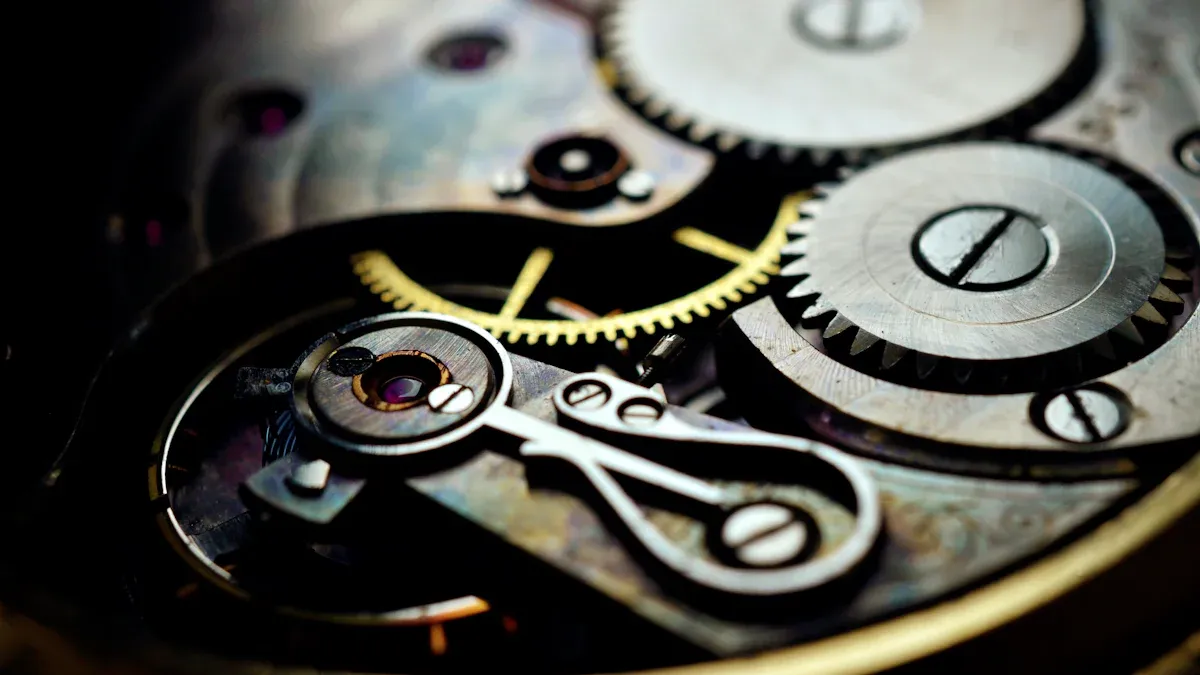
An overrunning clutch bearing lets a shaft turn one way. It stops the shaft from turning the other way. You can see this in a bicycle freewheel. When you pedal forward, the wheel moves. When you coast, the pedals do not move. This one way clutch design helps machines work better. It stops machines from moving backwards.
It helps starter motors and bikes use energy well.
It stops energy from being wasted.
The global market for these bearings is getting bigger.
It will reach almost USD 32 million by 2032.
You can find this clutch in many machines. It makes power transfer smooth. It also makes power transfer reliable.
Key Takeaways
Overrunning clutch bearings let things move one way. They stop things from going backward. This keeps machines safe.
You need to clean and oil your clutch bearings often. This helps them last longer and work better.
Picking the right overrunning clutch is very important. It must fit your machine’s power and speed needs. This helps your machine work its best.
Many industries use these bearings. They are in cars and renewable energy machines. They help move power smoothly and safely.
There are different types of overrunning clutches. Knowing about them helps you pick the right one for your job.
Overrunning Clutch Bearing Basics
Definition and Function
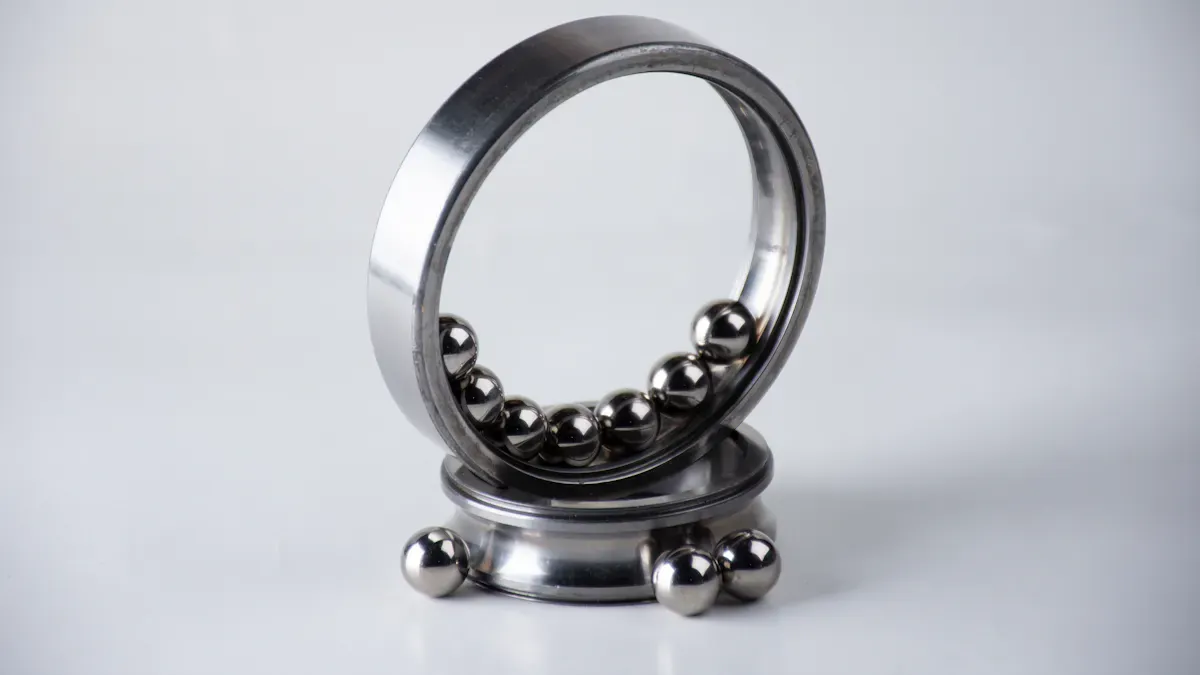
An overrunning clutch bearing lets a shaft turn one way. It stops the shaft from spinning backward. Regular bearings do not lock like these. Overrunning clutch bearings lock if you try to turn them the wrong way. They let parts move easily in the right direction. Machines use them to control movement. For example, a bicycle freewheel lets the wheel spin forward. It stops the wheel from spinning backward when you pedal.
Overrunning clutch bearings do important jobs in machines:
Torque transmission in one direction keeps machines safe.
Automatic engagement and disengagement make operation easy.
These bearings are used in many industries like automotive, aerospace, and renewable energy.
One Way Clutch Mechanism
The clutch lets a shaft spin one way. It stops the shaft from spinning the other way. This keeps machines safe and working well. The one-way sprag clutch is a common type. It uses small metal pieces called sprags. Sprags grip tight when force is applied in the driving direction. If you try to turn the shaft the other way, the sprags let go. The clutch disengages.
Think of a wind turbine as an example. The blades turn when the wind blows. The overrunning clutch bearing lets the blades spin forward. If the wind stops or changes direction, the clutch stops the blades from spinning backward. This protects the turbine and keeps it working well.
Key Features
Overrunning clutch bearings have special features that make them different:
They let rotation happen in one direction and stop it in the other.
They engage automatically without needing electronic controls.
They give smooth power transfer and protect machines from damage.
You find them in starter motors, conveyor systems, pumps, and household equipment.
Feature | What It Does |
|---|---|
One-way rotation | Stops reverse movement |
Automatic engagement | No need for extra controls |
Smooth operation | Reduces wear and tear |
Wide applications | Used in many machines and industries |
Overrunning clutch designs help machines run smoothly. You can trust these bearings for safe and efficient operation. When you pick an overrunning clutch, you keep your equipment safe and working as it should.
You see overrunning clutch bearings in many places. They help wind turbines, conveyor belts, and washing machines. The overrunning clutch keeps machines from moving backward and makes power flow steady.
How Overrunning Clutch Bearings Work
One Way Rotation Principle
You can think of an overrunning clutch bearing as a smart gate for motion. It lets a shaft spin in one direction but blocks it from turning the other way. This is called one way rotation. The secret lies in the parts inside the bearing. You find an inner ring, an outer ring, and special pieces like rollers or sprags.
The rollers move freely when you turn the shaft forward.
If you try to turn the shaft backward, the rollers grip tight and stop the motion.
This design keeps machines safe and prevents unwanted backward movement.
You see this in many machines. For example, when you pedal a bike forward, the wheel moves. If you stop pedaling, the wheel keeps spinning, but the pedals do not move backward. The over run clutch makes this possible. It controls rotational momentum and keeps everything working smoothly.
Internal Components
Inside every overrunning clutch bearing, you find simple but clever parts. The main pieces are the inner ring, the outer ring, and the rollers or sprags. These parts work together to control movement.
The rollers or sprags sit between the inner and outer rings.
When you turn the shaft in the right direction, the rollers roll easily.
If you try to turn the shaft the wrong way, the rollers press against the ring and lock up.
This action stops reverse rotation. The bearing only allows movement in the safe direction. You get smooth power transfer and protect your machine from damage. The CKF series uses a sprag system for even faster response. The sprags engage instantly, so you do not feel any delay or backlash.
Engagement and Disengagement
The way an overrunning clutch bearing grabs or lets go is called engagement and disengagement. When you turn the shaft forward, the rollers or sprags do not touch the ring much. The bearing spins freely. This is disengagement.
When the shaft tries to turn backward, the rollers or sprags press against the ring. The bearing locks up. This is engagement. You get instant stopping power. The CKF series stands out because of its non-contact design. This means the parts do not rub much during normal use. You get less wear, quiet operation, and reliable power transmission, even at high speeds.
Tip: The CKF series gives you precise control and smooth operation. You can trust it in demanding jobs like wind turbines or conveyor systems.
Here is a quick look at how the CKF series helps your machine:
Feature | Benefit |
|---|---|
Non-contact design | Reliable power transmission |
Low backlash | Precise control |
Quiet operation | Works well in tough conditions |
You can see why many industries choose this bearing. It keeps machines running safely and smoothly. The overrunning clutch bearing is a key part of modern equipment.
One Way Clutch Types
When you look at overrunning clutch bearings, you will find several main types. Each type works in a special way and fits different jobs. Let’s explore the most common types you might see.
Roller Type Clutch
Roller type clutches use small rollers to control movement. When you turn the shaft in the right direction, the rollers move freely. If you try to turn it the other way, the rollers wedge tightly and stop the motion. This design gives you smooth and quiet operation. You often see roller type clutches in lightweight machines and small devices.
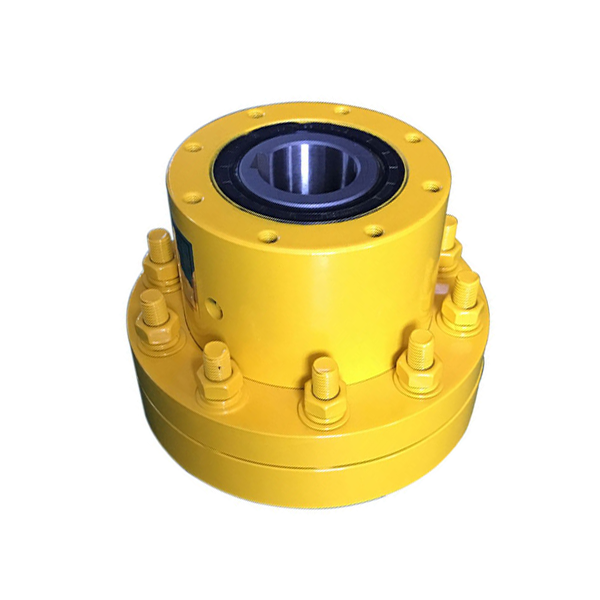
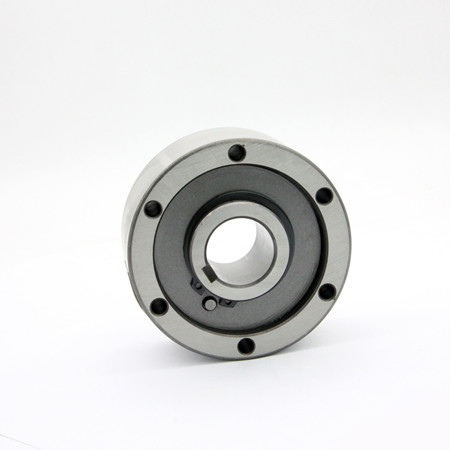
The Tianniu CKF One Way Roller Type Bearing is a great example. It uses an outer ring, a figure-8 wedge, a holding spring, and an inner ring. The wedges act like rollers, allowing one-way motion and strong torque control. You can trust this over running clutch for high-speed and heavy-duty work.
Tip: Roller type clutches work well in conveyor systems, packaging machines, and wind turbines.
Sprag Type Clutch
Sprag type clutches use tiny, spring-loaded pieces called sprags. These sprags tilt and lock the inner and outer rings together when you need to stop motion. When you turn the shaft in the allowed direction, the sprags let it spin freely. This type of clutch gives you fast engagement and high torque in a small space.
You will find sprag type clutches in many industrial machines. They offer high torque, instant action, and long life. They also work well at high speeds and help reduce wear. You might choose a sprag clutch when you need zero-backlash and precise control.
Other Common Types
Besides roller and sprag types, you will see other overrunning clutch designs. Here are a few:
Wedge clutches use wedge-shaped parts to lock and unlock. They fit medium-load machines like conveyors.
Cam clutches use cam-shaped parts for precise torque control. You often find them in heavy-duty equipment.
Here is a table to help you compare these types:
Type of Clutch Bearing | Construction Description | Application |
|---|---|---|
Wedge Clutch Bearing | Uses wedge-shaped elements to lock in one direction. | Medium-load equipment, conveyors |
Roller Clutch Bearing | Uses cylindrical rollers that clamp in reverse. | Lightweight machinery, small devices |
Cam Clutch Bearing | Uses cams for precise torque control. | Heavy-duty machines, construction |
Each overrunning clutch type has its own strengths. You can pick the best one for your machine by looking at how much torque you need, how fast it must run, and what job it will do. The right bearing keeps your equipment safe and running smoothly.
Applications of Overrunning Clutch Bearings
Industrial Uses
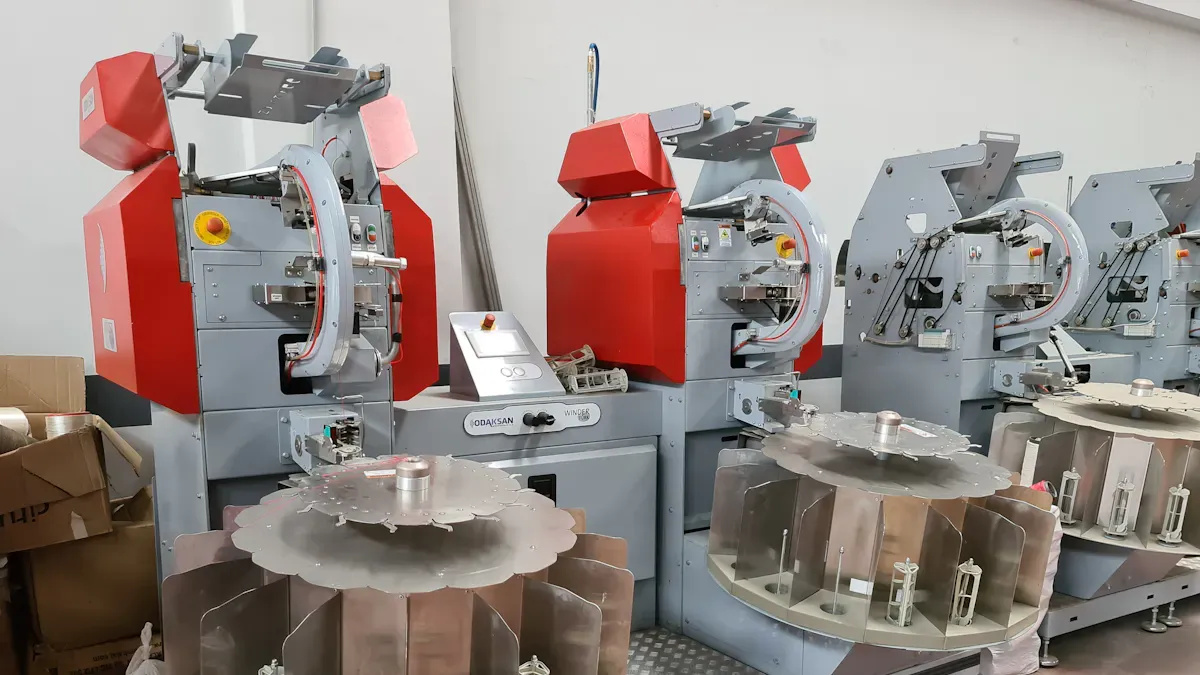
Overrunning clutch bearings are used in many industries. They help machines work safely and smoothly. In wind turbines, the clutch controls how the blades spin. This keeps the turbine safe during strong winds or sudden stops. Conveyor systems use these bearings as backstops. They stop the belt from rolling backward. This protects the machine and keeps workers safe. Mining equipment uses the clutch to protect the drivetrain from reverse torque. Packaging machines use the clutch for precise timing and quick engagement.
Here is a table showing common industrial uses:
Application Area | Description |
|---|---|
Agriculture | Used in heavy-duty machines for farming jobs. |
Mining | Needed for equipment in tough conditions. |
Aerospace | Used in aircraft for controlled movement. |
Industrial Metal Processing | Important for machines needing exact movement control. |
Indexing | Used in systems for accurate positioning and movement. |
Automotive Uses
Overrunning clutch bearings are found in many vehicles. In starter motors, the clutch lets the engine crankshaft turn. It stops the starter from spinning backward. This makes engine starts smooth and safe. Automatic transmissions use these bearings for smooth gear changes. The clutch lets the engine and transmission gears move at different speeds. This keeps your car running well and protects the system from damage.
When you use a tractor mower, the clutch connects the transmission and the pto. If you stop the tractor, the mower keeps spinning freely. This keeps the rotational momentum of your mower. It makes it easier to start mowing again. The mower keeps spinning even when you slow down. This protects the connection between the transmission and the pto.
Other Machinery
Overrunning clutch bearings are used in many other machines. Freewheels act as backstops in conveyor systems. Multimotor drives use the clutch to disconnect drives that are not working. Textile and printing machines use indexing freewheels for accurate feeds. High voltage switches and seed spreaders use these bearings instead of reduction gears.
Note: The CKF series from Tianniu works well in all these machines. It gives reliable overrunning, backstop, and indexing functions.
These bearings help keep machines safe. They control rotational momentum and make sure everything runs smoothly.
Benefits and Selection Tips
Advantages
You get many benefits when you use a high-quality over run clutch in your machines. The CKF series stands out because of its non-contact design, high torque, long service life, and versatility. These features help you keep your equipment running smoothly and safely.
The clutch transmits torque efficiently, so you get strong and reliable power transfer.
You do not need extra controls. The clutch works automatically, making your system simple.
The design spreads wear across many contact points. This extends the life of the bearing.
You can use the CKF series in many machines, from wind turbines to automatic transmissions.
Using the right clutch helps you avoid the danger of not having an over run clutch. Without it, machines can move backward, causing damage or safety risks.
Choosing the Right Clutch
You need to pick the right clutch for your job. Start by thinking about what the clutch will do and how often it will engage. Make sure the clutch can handle the torque and speed your machine needs. The CKF series offers different models for different torque ratings and speed limits.
Here are some important steps:
Check what your machine needs the clutch to do.
Make sure the clutch can handle the torque and speed.
Choose the correct bore size and mounting style.
Think about the type of lubrication and the environment.
Know how the clutch will engage and which way it will turn.
The torque and speed are very important. If you pick a bearing that cannot handle the highest torque, it might fail. The speed also matters. The clutch must work well at the speeds your machine uses. For example, some clutches work best at certain speeds. If you go too fast, you might have problems with performance.
Practical Tips
You can keep your clutch and bearing working well by following some simple tips:
Use clean lubricants to protect the sprags and rollers.
Inspect the clutch often for noise, heat, or problems with engagement.
Make sure the clutch and shaft line up correctly to prevent early wear.
Avoid shock loads by using torque limiters or dampers.
Support the clutch from the outside to keep the rings lined up.
Seal the inner ring to stop leaks.
Let the torque arm move freely to avoid tilting forces.
Regular maintenance helps you get the best performance advantages and a long life from your bearing and clutch.
If you follow these tips, you will keep your machines safe and running at their best. Good overrunning and careful maintenance protect your transmission and other key parts.
You have learned that an over run clutch lets parts move in one direction and stops them from spinning backward. Overrunning keeps machines safe and helps them work well. The clutch uses rollers, sprags, or pawls to grip the bearing and control motion. You find this bearing in many machines, from bikes to wind turbines.
Overrunning helps prevent damage and keeps machines running smoothly.
The clutch needs regular care, like cleaning and oiling, for long life.
Picking the right bearing for your job is important.
If you have questions, ask an expert. You can master overrunning and keep your machines working their best!
FAQ
What is the main job of an overrunning clutch bearing?
You use an overrunning clutch bearing to let a shaft turn in one direction. It stops the shaft from turning the other way. This keeps your machine safe and helps it work smoothly.
Where do you find overrunning clutch bearings in daily life?
You see overrunning clutch bearings in bikes, cars, and conveyor belts. These bearings help with smooth motion and protect machines from damage. You also find them in wind turbines and packaging machines.
How does overrunning help your machine?
Overrunning lets parts move freely when needed. The clutch locks only when you need to stop reverse motion. This action protects your machine and makes power transfer steady.
Why should you choose the right clutch and bearing?
You need the right clutch and bearing for your machine to work well. The correct choice gives you long life, high torque, and safe operation. Always check your machine’s needs before picking a model.
Can you use an over run clutch in high-speed machines?
Yes, you can use an over run clutch in high-speed machines. The right overrunning clutch bearing, like the CKF series, works well at high speeds and gives you reliable performance.