




Essential Guide to Using Backstop Clutch in Conveyor Systems
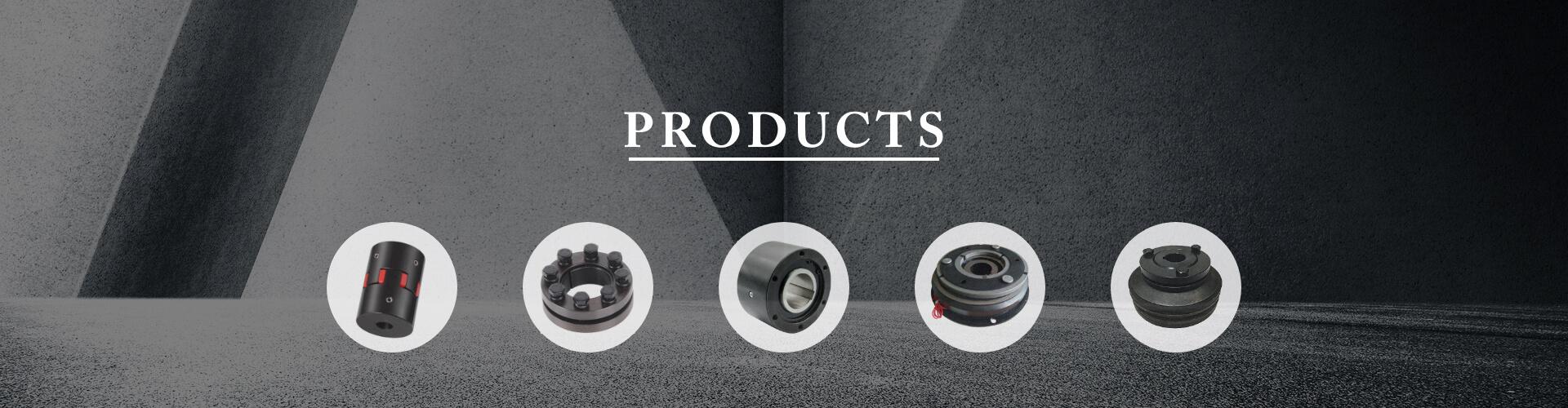
You use a backstop clutch to help your conveyor system work safely and well. This device stops the conveyor from moving backward. It lowers the chance of accidents. It also helps keep workers safe from sudden moves. When you use clutches made with care, like those from Tianniu Shaft coupling factory, you help materials move safely all the time, even on steep conveyor lines. Good backstop clutches are important for keeping your machines and team safe.
Key Takeaways
Backstop clutches stop conveyors from going backward. This makes the system safer.
Checking and fixing backstop clutches often helps them last longer.
Pick clutches that fit your conveyor’s weight and speed. This helps them work well.
Think about things like dust and heat when you pick clutches.
Putting clutches in the right way stops damage and keeps people safe.
Backstop Clutch Overview
What Is a Backstop Clutch
A backstop clutch helps your conveyor move safely. It lets the drive shaft turn forward but stops it from going backward. People sometimes call it a sprag clutch. When you put in a backstop clutch, you protect your machines and keep workers safe.
Here are some important facts about backstop clutches:
A backstop clutch stops a loaded conveyor on a slope from rolling back when the drive stops.
The outer race stays still on the machine frame, but the inner race can spin forward.
If the conveyor tries to move backward, the clutch locks and stops it.
Backstop clutches let the shaft turn one way and stop it from turning the other way.
You use these clutches in incline conveyors, bucket elevators, and pump systems to keep things safe.
They help stop reverse movement and protect important equipment.
Inside a holdback backstop bearing clutch, you find several main parts. Here is a table that shows these parts:
Component | Description |
|---|---|
Inner race | The part on the shaft side that has the cam shape or a plain round hole. |
Outer race | The part on the housing side that is a wedge for sprags or a round race for rollers. |
Rollers or sprags | These are the wedge pieces that work during use to share the load. |
Energizing springs | Springs push rollers or sprags so they do not slip. |
Cage or retainer | This keeps rollers or sprags spaced out and stops them from lifting off at high speeds. |
Function in Conveyor Systems
You use a holdback backstop bearing clutch to keep your conveyor safe and working well. On sloped conveyors, you need to stop things from sliding back if the motor stops. The holdback backstop bearing clutch locks right away when the torque drops. This keeps the load from moving and stops overrunning.
You see these clutches used in many backstop jobs. They keep machines and people safe by stopping backward movement. Overrunning happens when the conveyor tries to go backward, but the clutch stops it. You use holdback backstop bearing clutch in material handling systems to keep things safe and stop accidents. Picking the right clutch makes your conveyor work better and have less downtime.
Tip: Always check your holdback backstop bearing clutch for wear and to make sure it works right. This helps your conveyor run well and stops overrunning.
Benefits of Backstop Clutch
Safety Advantages
You want everyone at work to stay safe. A holdback backstop bearing clutch adds safety to your conveyor system. These clutches stop the conveyor from moving backward right away. This keeps workers and machines safe from sudden accidents. The best safety benefits happen in places that move materials, like on sloped conveyors. Here are some ways a holdback backstop bearing clutch helps keep things safe:
You stop heavy machines from rolling backward.
You get fast locking if the conveyor tries to move back.
You lower the chance of workers getting hurt near the conveyor.
You keep control of the load, even if the power goes out or you need to stop quickly.
Tip: Always check your safety parts before you start the conveyor. This helps stop overrunning and keeps your team safe.
Equipment Protection
You want your machines to work for a long time. A holdback backstop bearing clutch helps protect your equipment from damage. Using this clutch stops overrunning and lowers shock loads on gearboxes. This means your conveyor and its parts do not wear out as quickly. You also spend less time and money fixing things. Here is how a holdback backstop bearing clutch helps your equipment:
You protect gearboxes from sudden shocks when moving backward.
You have less downtime if the power or drive fails.
You make belts, idlers, and motors last longer by lowering strain.
You spend less on maintenance because parts last longer.
Backstop clutch solutions help your conveyor run smoothly. They lower wear and tear when the conveyor stops. You do not need to change parts as often, and you save money on repairs and labor. These safety features make your system more reliable and help you avoid expensive overrunning problems.
Backstop Clutch Selection
Choosing the right holdback backstop bearing clutch for your conveyor system is important. You want to make sure your equipment runs safely and lasts a long time. When you select a clutch, you need to think about how much load your conveyor carries, how fast it moves, and the environment where it works. You also need to match the size and type of clutch to your system.
Load and Speed Factors
You must look at the load and speed of your conveyor before picking a holdback backstop bearing clutch. The amount of weight your conveyor moves affects the torque the clutch must handle. If your conveyor moves faster, the torque needed for the clutch goes down. This happens because higher speeds create lower torque requirements. You need to make sure the clutch can handle the highest speed and torque your system will face. If you choose the wrong clutch, you risk damage during overrunning or sudden stops.
Tianniu Shaft coupling factory uses advanced testing machines to check torque and fatigue. This helps you trust that their clutches will work well under different loads and speeds. You get a product that matches your needs and keeps your conveyor safe.
Tip: Always check the maximum load and speed of your conveyor before you choose a holdback backstop bearing clutch. This helps you avoid problems with overrunning and keeps your system running smoothly.
Environmental Considerations
The place where you use your holdback backstop bearing clutch matters a lot. Temperature, humidity, dust, and chemicals can change how well your clutch works. You need to pick a clutch that can handle these conditions.
Here is a table to help you see how different factors affect your clutch:
Factor | Details |
|---|---|
Temperature | MZ CAM Clutch operates best between -5°C and 40°C |
Humidity | Affects overall performance and longevity of clutches |
Additional | Using covers or seals can enhance clutch lifespan |
If you use your conveyor in places like cement or aggregate plants, you face a lot of dust and abrasive materials. These can wear out your holdback backstop bearing clutch faster. You need a clutch made from strong materials to handle these tough jobs. Here are some things to watch for:
Equipment in dusty places needs clutches that resist wear and corrosion.
Dust and chemicals can cause parts to break down faster.
Durable clutch design helps prevent unexpected downtime.
Tianniu Shaft coupling factory builds clutches with quality materials. They test their products to make sure they last in harsh environments. You get a clutch that stands up to dust, moisture, and chemicals.
Sizing and Compatibility
You need to match the size of your holdback backstop bearing clutch to your conveyor system. If you pick the wrong size, your clutch might not work right or could wear out too soon. Here are some things to check:
Torque ratings: Make sure the clutch can handle the highest torque your conveyor might have, even during belt problems or overloads.
Capacity: Choose a clutch that can take the maximum force your system will use.
Ease of installation: Pick a clutch that is easy to install and replace. This helps you keep up with maintenance and avoid long downtimes.
You also need to think about compatibility. Some systems use external backstops, while others need a different clutch design. Always check the type of system you have before you buy a clutch.
Tianniu Shaft coupling factory has over 10 years of experience making clutches for many industries. They listen to what customers need and use new ideas to make better products. Their clutches meet high standards, with ISO9001:2015 and SGS certifications. You can find their products in many countries, including Europe, America, and Asia.
Note: When you choose a holdback backstop bearing clutch from a trusted brand like Tianniu, you get quality, safety, and long-lasting performance for your conveyor.
Installation Guide
Pre-Installation Checks
You should check your conveyor system before you start. Make sure the shaft and mounting spots are clean. There should be no dust or dirt. Look at the shaft for any damage or signs of wear. Measure the shaft’s diameter and length to see if the holdback backstop bearing clutch will fit. Read the instructions from the manufacturer and look at the safety features. Tianniu Shaft coupling factory makes clutches with careful engineering. This means you get a good fit and long-lasting use.
Here is a checklist to help you get ready:
Clean the shaft and mounting area.
Look for any damage or wear.
Make sure the shaft size matches the clutch.
Read the installation guide and safety features.
Gather all tools and parts you need.
Tip: Getting ready the right way helps you avoid mistakes and keeps your conveyor safe.
Step-by-Step Installation
You can follow these steps to put in a holdback backstop bearing clutch. These steps help you install it safely and well.
Put the clutch on the shaft. Line up the inner race with the shaft and the outer race with the machine frame.
Slide the clutch onto the shaft. Make sure it fits tight and does not move around.
Fasten the clutch with the right bolts or screws. Tighten them as the guide says.
Check if the clutch is straight on the shaft and frame. If it is not, it can wear out too soon or break.
Put on any covers or seals. These keep dust and water away from the clutch.
Test the clutch by turning the shaft forward. The clutch should let it turn one way and lock if you try to turn it back.
You need to pay close attention when you install the clutch. Mistakes can cause problems. Here are some common errors:
If the clutch is not lined up, it can wear out fast.
If the size is wrong, it can break or not work well.
If you rush, you might make a big mistake.
Tianniu Shaft coupling factory makes clutches that are easy to put in and last a long time. You get a product that works well and stays strong.
Note: Always follow the instructions from the maker. This helps you avoid mistakes and keeps your conveyor safe.
Safety Precautions
You must follow safety rules when you install the clutch. Wear gloves and safety glasses to protect yourself. Make sure the conveyor is turned off and locked before you start. Keep your work area neat and clean. Use the right tools for each job.
Here is a table of safety tips:
Safety Tip | Description |
|---|---|
Wear protective equipment | Gloves and glasses keep you safe |
Lock out power | Stops the machine from starting |
Keep area clean | Helps stop slips and mistakes |
Use correct tools | Makes sure you install it right |
Follow instructions | Keeps you safe and stops errors |
Tianniu Shaft coupling factory makes clutches with safety in mind. These features help keep you safe when you install and use the clutch. You can feel good knowing your equipment is made for safety.
Alert: Never skip safety steps. Doing things the right way keeps you and your conveyor safe.
Operation and Maintenance
Operation Best Practices
You want your conveyor to work well every day. Using holdback backstop bearing clutch the right way helps stop overrunning. It keeps your equipment safe. You should follow these best steps:
Pick clutches made from strong materials. These can handle lots of cleaning and tough chemicals. This is important in food factories where cleanliness matters.
Use holdback backstop bearing clutch made for cold and wet places. Dairy factories need clutches that work well even in hard conditions.
Find new materials and better lubrication systems. These help clutches last longer and meet tough needs.
If you follow these steps, your holdback backstop bearing clutch will last longer. You protect your conveyor from overrunning and have less downtime.
Routine Inspection
Routine maintenance keeps your conveyor working well. You should check your holdback backstop bearing clutch often. Look for signs of wear, dirt, or damage. Make sure the clutch locks when needed and turns the right way. Check bolts and mounting spots after you install it to make sure everything stays tight.
Here is an easy inspection checklist:
Inspection Task | What to Look For |
|---|---|
Visual check | Dirt, wear, or damage |
Locking test | Proper locking and release |
Mounting check | Tight bolts and correct position |
Lubrication check | Enough oil or grease present |
Tip: Routine maintenance helps you find problems early. It stops overrunning.
Lubrication and Maintenance Schedule
Lubrication is important for holdback backstop bearing clutch performance. You should keep enough oil or grease in the clutch. This stops metal parts from rubbing together. For oil bath systems, fill about one-third of the clutch height with oil. For greased clutches, fill 30-60% of the space with grease. Regular maintenance and checks stop problems and help your clutches last longer.
You should adjust the clutch as needed during routine maintenance. This keeps your conveyor systems safe and reliable. Good lubrication also stops overrunning and lowers the need for repairs.
Note: Follow the manufacturer's maintenance schedule after you install the clutch. This makes sure your holdback backstop bearing clutch works well for a long time.
Troubleshooting Backstop Clutch Issues
Common Problems
You may notice some issues when you use a holdback backstop bearing clutch in your conveyor system. These problems can stop your conveyor from working well. Here are some common problems you might face:
The clutch slips and does not lock when the conveyor tries to move backward.
You hear strange noises like grinding or clicking from the clutch area.
The conveyor does not stop right away when the power goes out.
You see oil or grease leaking from the clutch.
The clutch feels hot when you touch it after running.
Tip: If you see any of these signs, stop the conveyor and check the holdback backstop bearing clutch right away.
Solutions and Prevention
You can fix most problems with your holdback backstop bearing clutch if you act early. Here are some steps you can follow:
Check the clutch for dirt or dust. Clean it with a dry cloth.
Look for loose bolts or parts. Tighten them with the right tool.
Add oil or grease if the clutch looks dry. Use the type the maker suggests.
Replace worn or broken parts. Use only parts made for your clutch.
Test the clutch by turning the shaft. Make sure it locks in one direction.
You can prevent problems by checking your clutches often. Make a schedule to inspect and clean them. Keep a record of all checks and repairs. This helps you spot issues before they get worse.
Here is a simple table to help you remember what to do:
Problem | What to Do |
|---|---|
Slipping clutch | Clean and check parts |
Strange noises | Lubricate and inspect |
Overheating | Check for overload |
Leaks | Replace seals |
Note: Good care helps your holdback backstop bearing clutch last longer and keeps your conveyor safe.
You make your conveyor safe by picking a good backstop clutch. Choosing the right clutch helps your conveyor work well. Installing it carefully stops problems from happening. Keeping up with maintenance keeps everything running smoothly. Here are some easy tips to follow:
Check torque and direction when you install the clutch.
Look at oil and grease levels during maintenance.
Listen for strange sounds and check if it feels hot.
Test if the clutch turns freely when the system is off.
Pick brands you trust, like Tianniu, for long-lasting use.
FAQ
How does a backstop clutch improve conveyor safety?
You stop reverse movement with a backstop clutch. This prevents accidents and protects workers. The clutch locks instantly if the conveyor tries to move backward.
What maintenance does a backstop clutch need?
You should check for wear, clean the clutch, and add oil or grease regularly. Follow the manufacturer's schedule for best results.
Tip: Routine checks help you spot problems early.
Can you use a backstop clutch in harsh environments?
Yes. You can use backstop clutches in dusty, wet, or hot places. Choose clutches made from strong materials for tough jobs.
Environment | Recommended Feature |
|---|---|
Dusty | Sealed design |
Wet | Corrosion resistance |
Hot | Heat-tolerant materials |
How do you know if your backstop clutch needs replacement?
You notice slipping, strange noises, or overheating. The clutch may leak oil or fail to lock. Replace it if you see these signs.
Recommended Products
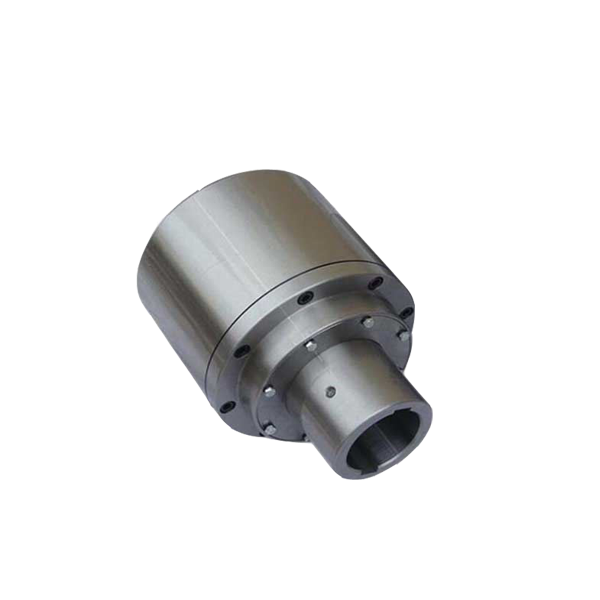
CKL-C One Way Wedge Type Clutch With More Torque
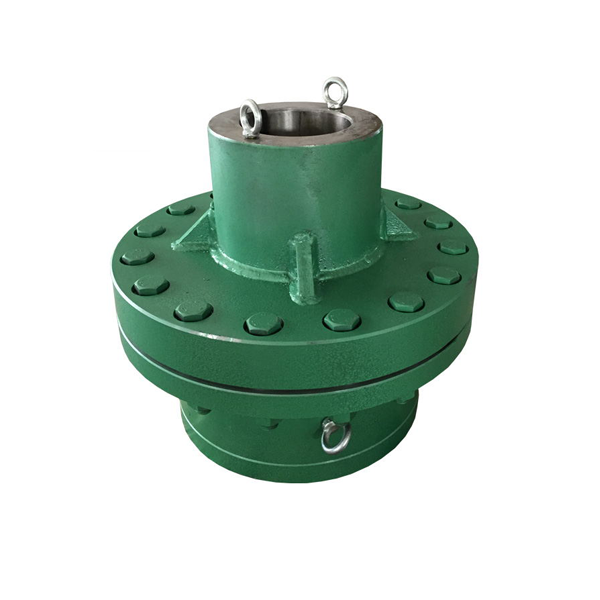
CKL-B One Way Cam Clutch
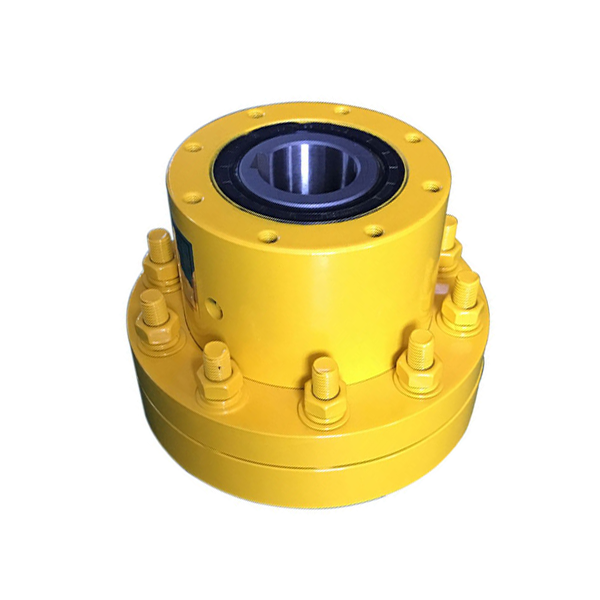
CKL-A Overrunning Freewheel Clutch Bearing With Half Coupling
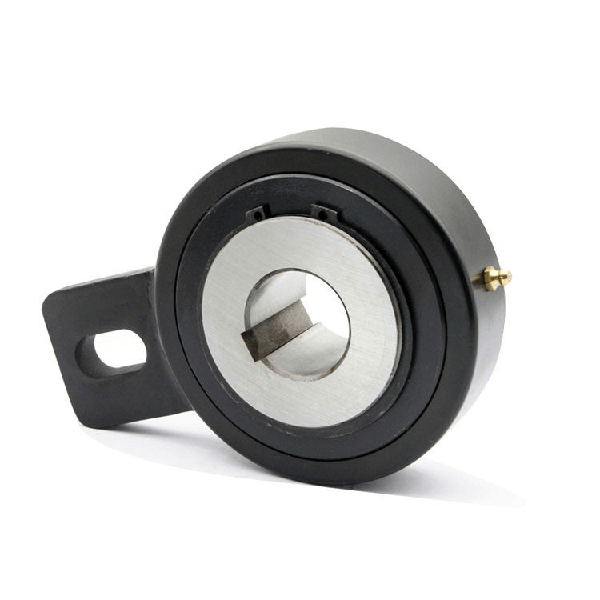
CK-N Sprag Type One Way Clutch With Low Speed
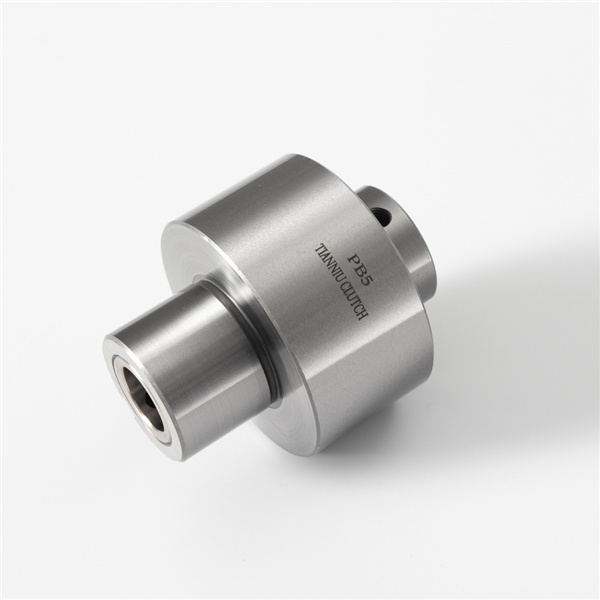
PB Sprag Type Overrunning Clutch
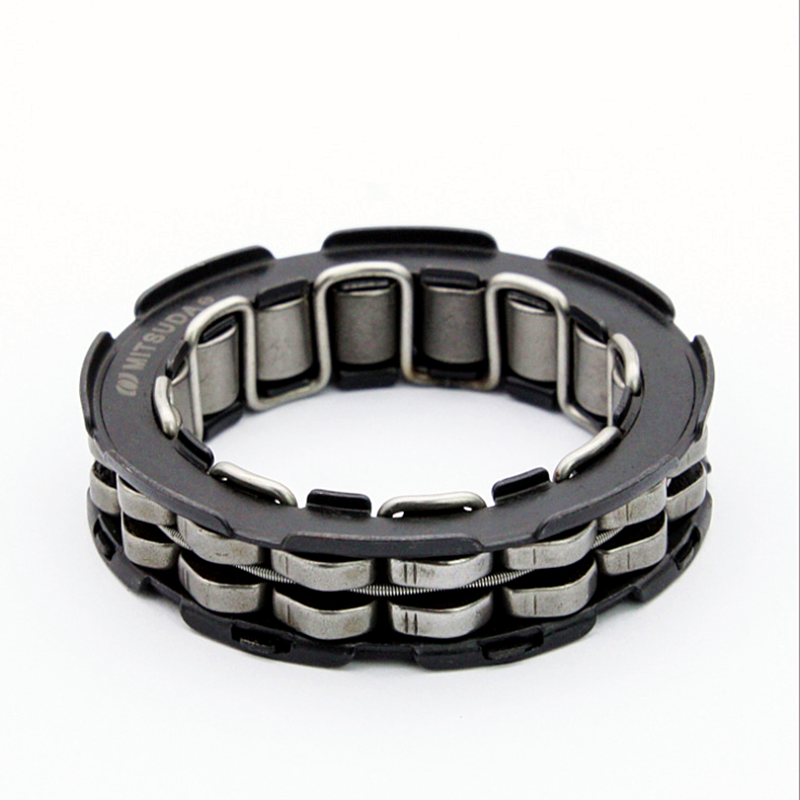
FWD Wedge Type One Way Clutch
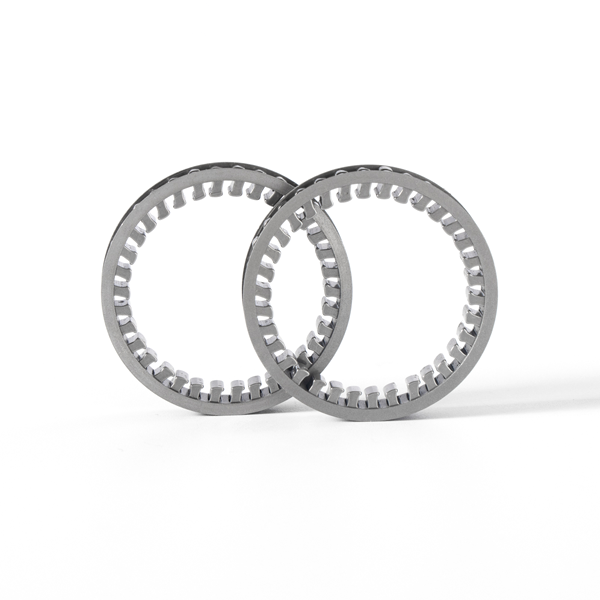
FE Wedge Type One Way Bearing
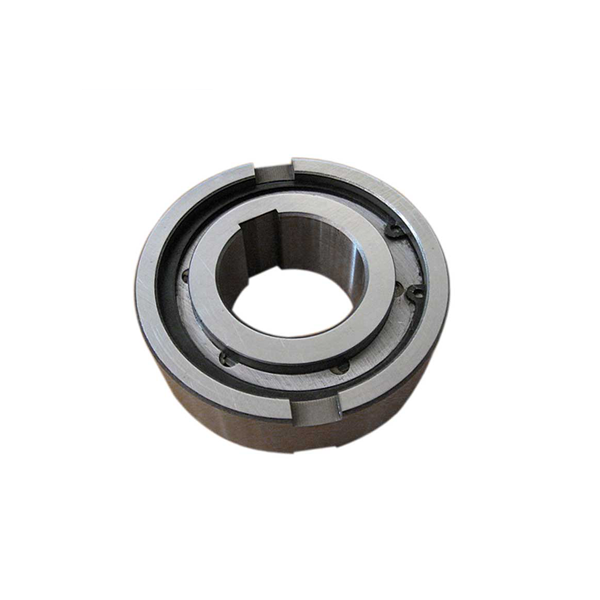
GC-B Roller Type Freewheel One Direction Clutch
Recent News
1.What Are Encoder Shaft Couplings and How Do They Work
2026-05-152.What is a Friction Torque Limiter and How Does It Work
2026-05-283.Electromagnetic Clutch Secrets Every Textile Mill Needs
2026-02-284.One Way Clutch Bearing Makes Packing Faster and Easier
2026-04-085.A Beginner's Guide to Overrunning Clutch Bearings
2026-04-076.Top 10 Backstop Clutch Manufacturers You Should Know About
2026-03-167.Sprag type vs roller type one way clutches: Which is better?
2026-03-288.Top 10 Backstop Clutch Manufacturers in China 2026
2026-02-279.Electromagnetic Clutch 24V Benefits and Drawbacks in 2026
2026-03-12