




What is a Friction Torque Limiter and How Does It Work
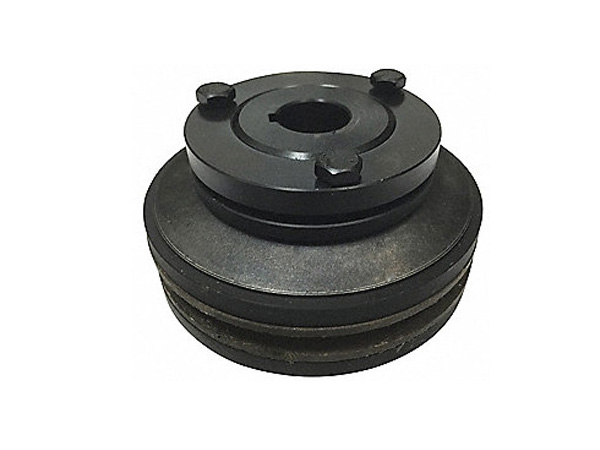
A friction torque limiter is a safety device. It helps keep machines safe from harm. You can find it in many drive systems. It stops too much force from hurting motors or gearboxes. It also protects other parts. If the system gets a sudden shock or jam, the friction torque limiter disconnects the drive. It separates the drive from the part that is being moved. This takes away extra energy. It keeps the machine safe from too much load. When torque gets too high, it slips. This prevents damage and keeps your equipment working well.
Key Takeaways
A friction torque limiter keeps machines safe by stopping the drive if the torque gets too high. This helps stop damage from happening.
You can change the slip torque of a limiter to match your machine. This helps your machine work well and stay safe.
The TL friction torque limiter connects again by itself after an overload. This lets your machine keep working without stopping.
Using a friction torque limiter can help you spend less on repairs and fixing things. It stops gears and motors from getting hurt.
These limiters can be used in many ways. You can use them in conveyors, packaging machines, and gearboxes.
Friction Torque Limiter Basics
Definition
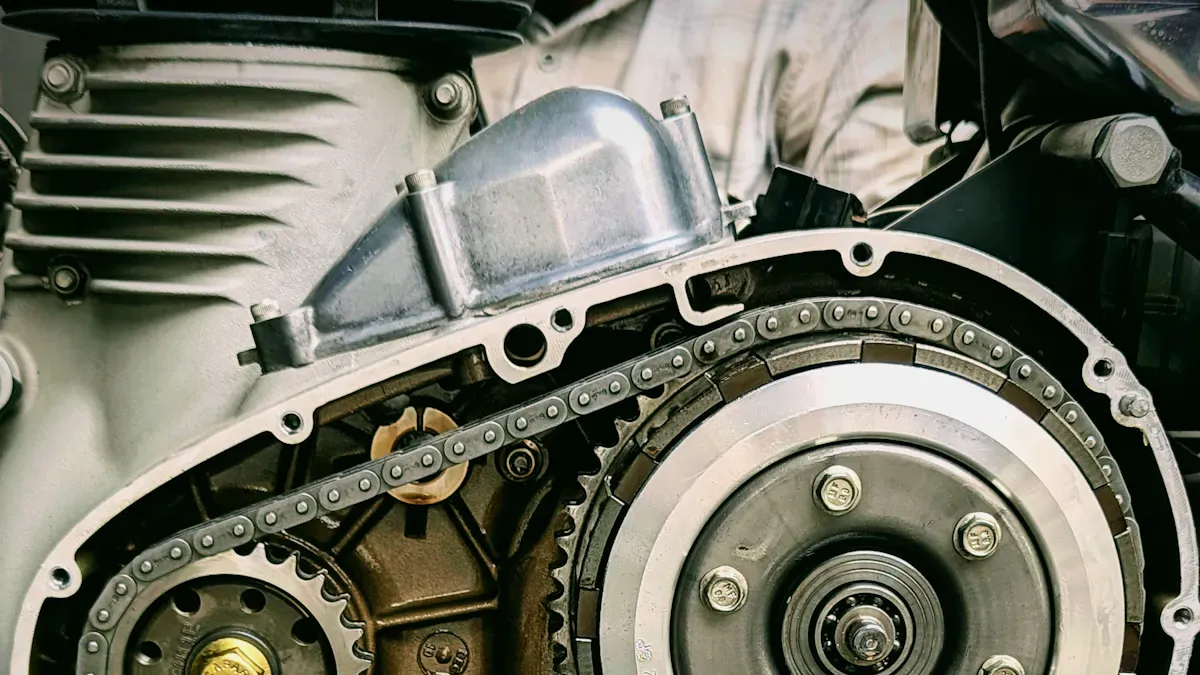
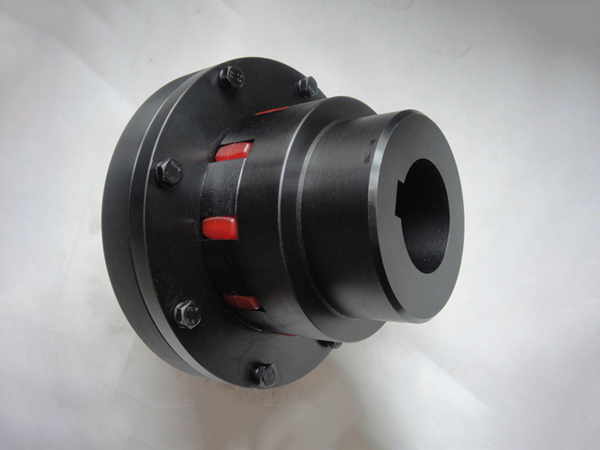
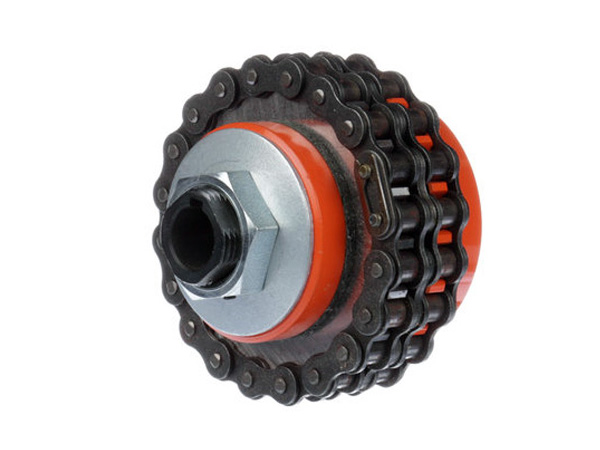
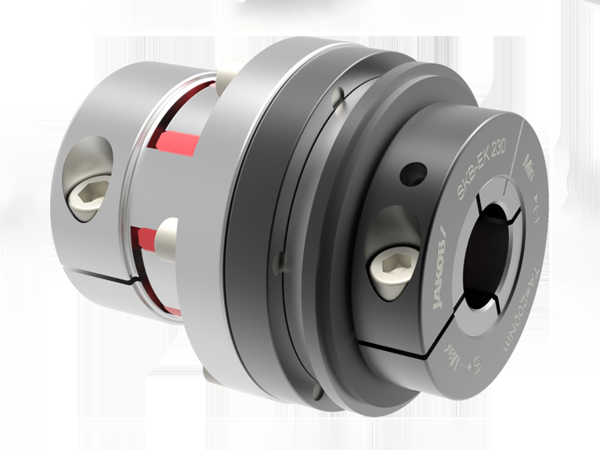
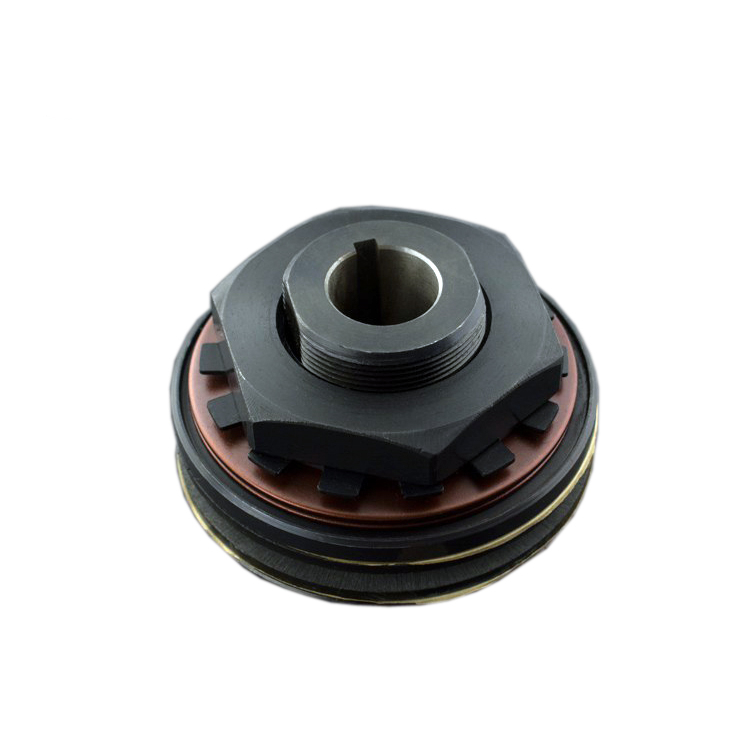
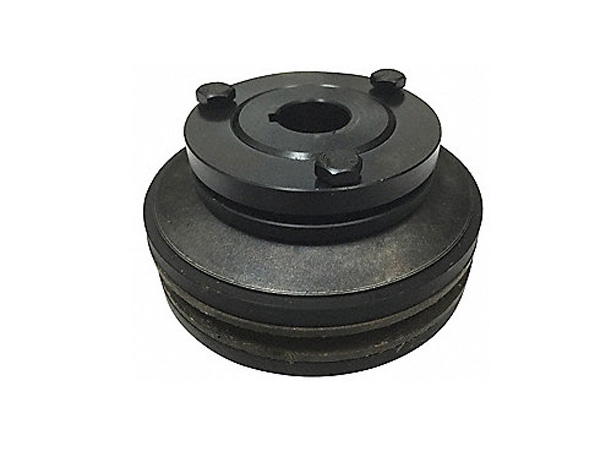
A friction torque limiter acts like a safety guard for machines. It controls how much force goes through a drive system. If the force gets too high, the limiter slips. This slip stops extra energy from reaching sensitive parts. Motors, gearboxes, and other parts stay safe from harm. The TL friction torque limiter from Backstop Clutch is a modern example. It uses spring-loaded friction surfaces to manage slip torque. You can change the slip torque by adjusting the spring force. This makes the limiter work for many different machines.
Key Components
Each friction torque limiter has parts that help it work. Most designs have friction surfaces, springs, and adjustment bolts. The TL friction torque limiter uses spring-loaded friction surfaces. These surfaces push against each other. When torque goes above a set level, the surfaces slip. You can set this level by tightening or loosening the adjustment bolts. This lets you pick how much torque the limiter allows before slipping.
Tip: You can adjust the slip torque to fit your machine’s needs. This helps you stop damage and keep your system working well.
Here is a table showing common parts in modern friction torque limiters and what they do:
Component | Function |
|---|---|
DF Series | Uses friction between two surfaces to limit torque and keep your machine safe. |
EDF/F Series | Uses steel balls to let slippage happen when torque gets too high, stopping transmission fast. |
The TL friction torque limiter gives longer slip times and automatic reengagement. When the overload stops, the limiter reconnects by itself. This feature gives you good protection and keeps your drive system working. You can find torque limiters with many slip torque values. Some commercial torque limiters cover from 1 lb-ft up to 2,000 lb-ft. This means you can pick a limiter for any machine, big or small.
How a Friction Torque Limiter Works
Operating Principle
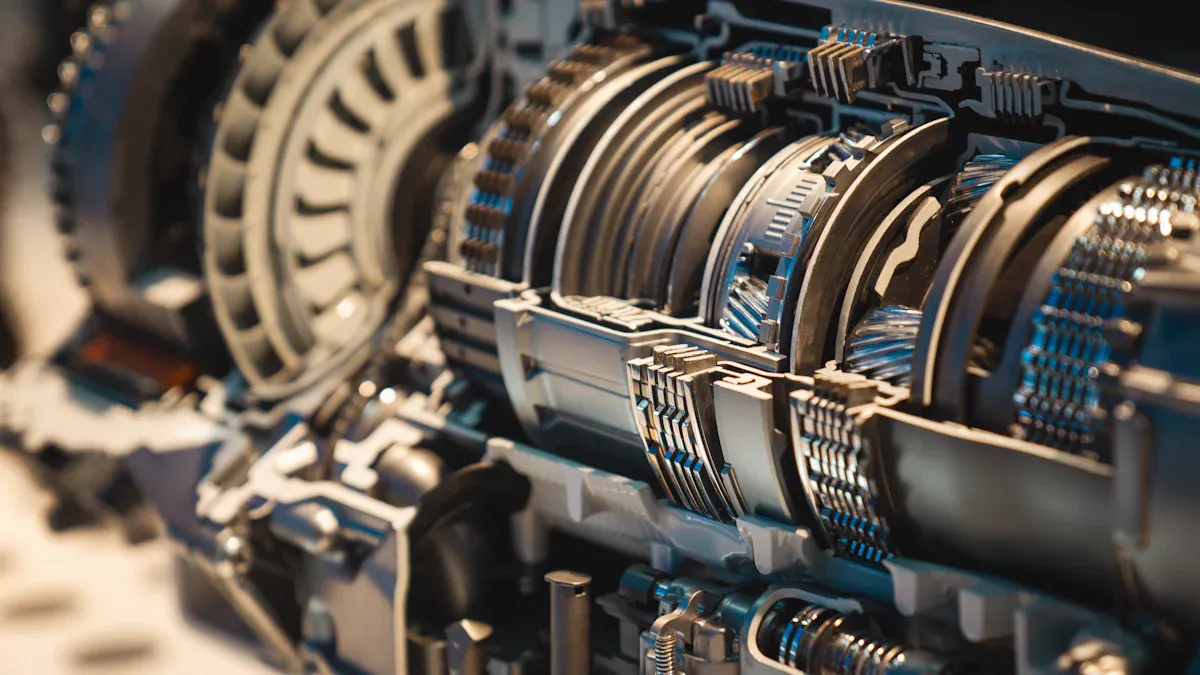
Imagine how brakes on a car work. When you push the pedal, brake pads press the wheel. This makes friction and slows the car. A friction torque limiter uses this same idea. Inside, friction surfaces are pushed together by springs. When your machine works normally, the limiter stays tight. It lets torque move through. If torque gets too high, the friction surfaces slip. This slip stops extra force from hurting important parts.
You can think of the friction torque limiter as a safety clutch. It disconnects the drive when needed. This is like a car clutch that lets you change gears. The TL friction torque limiter uses special friction materials. These materials last a long time. They keep the limiter working well after many overloads.
Slip Torque Adjustment
You can choose how much torque the limiter allows before slipping. This is called slipping torque. Most friction torque limiters use springs to press friction surfaces together. You change the spring force by tightening or loosening bolts or nuts. This changes how much torque makes the limiter slip.
Here are some common ways to adjust slip torque:
Turn a big hand nut, like on a fishing reel.
Use bolts or nuts to change the spring force.
Set the spring preload with a torque wrench for better accuracy.
How well you can adjust depends on the design. Spring friction clutches let you set slip torque with about 10-15% accuracy. If you use the torque method, you can get about 5% accuracy for the first 100 cycles. Ball-detent torque limiters can be even more precise, with repeatability within 3-5%.
Here is a table showing how spring force affects performance:
Aspect | Description |
|---|---|
Spring Force | High spring force lets the limiter handle more torque before slipping. |
Backlash-Free Operation | The design keeps the drive smooth and accurate, with no extra movement or play. |
Clutch Mechanism | The limiter can disengage and re-engage without hurting the drive system. |
The TL friction torque limiter is special because it uses fine adjustment screws. This lets you set the torque very accurately. The friction materials help keep the torque rating steady over time.
Automatic Reengagement
After an overload, you want your machine to start working again fast. The friction torque limiter helps with this. When the overload is gone, the limiter reengages automatically. You do not need to stop the machine or reset anything.
Here is how the process works:
You set the torque limit for safe operation.
The limiter senses an overload when torque rises too fast.
The limiter slips and disconnects the drive.
When the overload is gone, the limiter reengages by itself.
This table shows the steps in more detail:
Mechanism | Description |
|---|---|
Setting the Torque Limit | You adjust the limiter to match your machine’s needs. |
Detecting Overload | The limiter senses when torque gets too high. |
Automatic Disengagement | The limiter slips to protect the machine. |
Re-engagement | The limiter reconnects automatically after the overload is gone. |
The TL friction torque limiter uses strong friction materials and precise settings. This means you get steady torque ratings and reliable reengagement every time. The limiter reacts quickly to overloads. It protects your equipment and keeps your drive system running smoothly.
Here is a summary of the TL friction torque limiter’s key features:
Feature | Explanation |
|---|---|
Friction-type construction | Uses special friction materials for long life and steady performance. |
Extended replacement intervals | You do not need to replace parts often, so you save time and money. |
Precise torque settings | Fine adjustment screws let you set the slip point exactly where you want it. |
Instant reaction to overloads | The limiter slips right away to stop damage and keep your machine safe. |
Note: The TL friction torque limiter helps you feel safe. You know your machine will stay protected, even if something unexpected happens.
Benefits & Uses
Advantages
There are many good things about using a friction torque limiter. This device helps protect your machine from sudden shocks and too much force. It slips when the torque gets too high. This keeps gears, shafts, and bearings safe from harm. You do not have to pay for big repairs. Your equipment can last longer.
You can change the settings on the torque limiter easily. The TL friction torque limiter from Backstop Clutch lets you set the slip torque with small bolts. You can make it fit your machine just right. The friction surfaces last a long time. You do not need to change parts often. Your system keeps working without lots of fixing.
Another good thing is that your machine can keep running. If there is too much force, the limiter slips and keeps your machine safe. When the problem is gone, the limiter connects again by itself. You do not have to stop the machine or change parts. This saves you time and helps you keep working.
Here is a table that shows the main benefits:
Benefit Type | Description |
|---|---|
Protection | Slips or disconnects when torque is too high, stopping big problems like broken gears. |
Cost Savings | Lowers repair costs and lost work time, so you save money in the long run. |
Safety | Keeps drive parts safe during overloads, making things less dangerous and following safety rules. |
Operational Efficiency | Lets machines start working again fast after overloads, so you do not have to stop everything. |
Versatility | Works for many jobs and fits different machines and power levels. |
You also spend less money fixing your machine. The limiter keeps your equipment safe from damage. You do not have to pay for repairs or lose time. The TL friction torque limiter gives you strong protection and keeps your drive system safe.
Typical Applications
Friction torque limiters are used in many places. They help protect machines in factories and other work areas. You can find them in printing, making things, and even in the forest and textile industries. Conveyors, generators, motors, and gearboxes use torque limiters too.
Here are some common ways people use them:
Film wrapping machines
Filling lines
Packing machines
Hard-to-reach drives
You can use the TL friction torque limiter in any drive system that needs to be safe. It works with sprockets, gears, sheaves, and flange plates. You get good results even in tough places.
Tip: Pick a torque limiter for your machine if you want safety, easy changes, and long-lasting help.
Comparison with Other Torque Limiters
Shear Pin vs. Friction Torque Limiter
You might wonder how these two limiters are different. Both keep machines safe, but they work in their own ways. A shear pin torque limiter has a metal pin that breaks if torque is too high. This stops the machine right away. You have to put in a new pin before using the machine again. A friction torque limiter uses friction surfaces that slip when torque goes over the set amount. It resets itself when the problem is gone.
Here is a table that shows how they are not the same:
Property | Shear Pin / Shear Bolt | Slip Clutch (Friction Torque Limiter) |
|---|---|---|
Response time | Instant break (<1 ms) | Slips in 5-20 ms |
Reset method | Replace pin (2-5 min downtime) | Auto-reset after overload |
Trip accuracy | ±15% of rated | ±5-10% with adjustment |
Trips per service life | 1 (single use) | 10,000+ before disc change |
Best fit | Rare hard impacts | Frequent overloads |
A friction torque limiter lets you have more trips and less stopping time. You do not need to fix your machine as much.
Magnetic Torque Limiter
A magnetic torque limiter works without parts touching each other. It uses magnets to move torque. This means there is less wear and no need for oil or grease. You can use it in hot or cold places. It also helps your drive system shake less.
You might pick a magnetic torque limiter if you want:
Less fixing because there is no touching or wearing out
Good work in hot or cold weather
Smooth running with less shaking
Choosing the Right Torque Limiter
When you choose a torque limiter, think about what your machine needs. Look at the torque range and the slip point you want. Make sure the limiter fits your shaft size and how you want to mount it. Think about where you will use it, like if it is hot or dusty. Check if the limiter follows safety rules for your job.
Here is a table to help you pick:
Factor | Description |
|---|---|
Response Speed | How fast the limiter reacts to overloads |
Bore Size and Shaft Fit | Must match your shaft and keyway |
Operating Conditions | Handles your temperature and humidity |
Integration | Fits with your other parts and couplings |
The TL friction torque limiter is easy to adjust. It reconnects by itself and works the same every time. This gives you good protection and less stopping time for your machines. You can count on it to keep your equipment safe and working longer.
You have learned that friction torque limiters keep machines safe by slipping when there is too much force. This helps stop damage and lets your equipment keep working. The TL friction torque limiter can reset itself after every overload. You can also set the slip torque to match what you need. Some new models, like the TL friction torque limiter, reset on their own. You do not have to stop your machine to reset it. When picking a limiter, check how fast it resets, how simple it is to reset, and how many times you will need to do it. For the best safety and good work, choose a limiter that resets quickly and easily each time.
FAQ
What does a friction torque limiter do?
A friction torque limiter helps keep your machine safe. It slips if there is too much force. This keeps your equipment from getting damaged and lets it keep working.
How do you adjust the slip torque?
You can turn bolts or nuts to set the slip torque. This helps you make the limiter fit your machine. Always check the settings before starting your equipment.
Can a friction torque limiter reset itself after overload?
Yes, most friction torque limiters can reconnect by themselves after an overload. You do not have to stop your machine or change any parts.
Where can you use a friction torque limiter?
You can use a friction torque limiter in lots of machines. Some examples are conveyors, packaging lines, and gearboxes. It works in any system that needs to be protected from too much force.
What should you know when navigating the world of torque limiters?
You should check the torque range and how you can adjust it. Look for automatic reengagement too. These things help you pick the best limiter and keep your machines safe.
Recent News
1.What Are Encoder Shaft Couplings and How Do They Work
2026-05-152.Electromagnetic Clutch Secrets Every Textile Mill Needs
2026-02-283.One Way Clutch Bearing Makes Packing Faster and Easier
2026-04-084.A Beginner's Guide to Overrunning Clutch Bearings
2026-04-075.Top 10 Backstop Clutch Manufacturers You Should Know About
2026-03-166.Sprag type vs roller type one way clutches: Which is better?
2026-03-287.Top 10 Backstop Clutch Manufacturers in China 2026
2026-02-278.Electromagnetic Clutch 24V Benefits and Drawbacks in 2026
2026-03-129.What is a one way sprag clutch
2026-01-2710.Backstop Bearing and Sprag Clutch Comparison for 2026
2026-01-23