




One Way Bearing or Standard Bearing Which Boosts Safety More
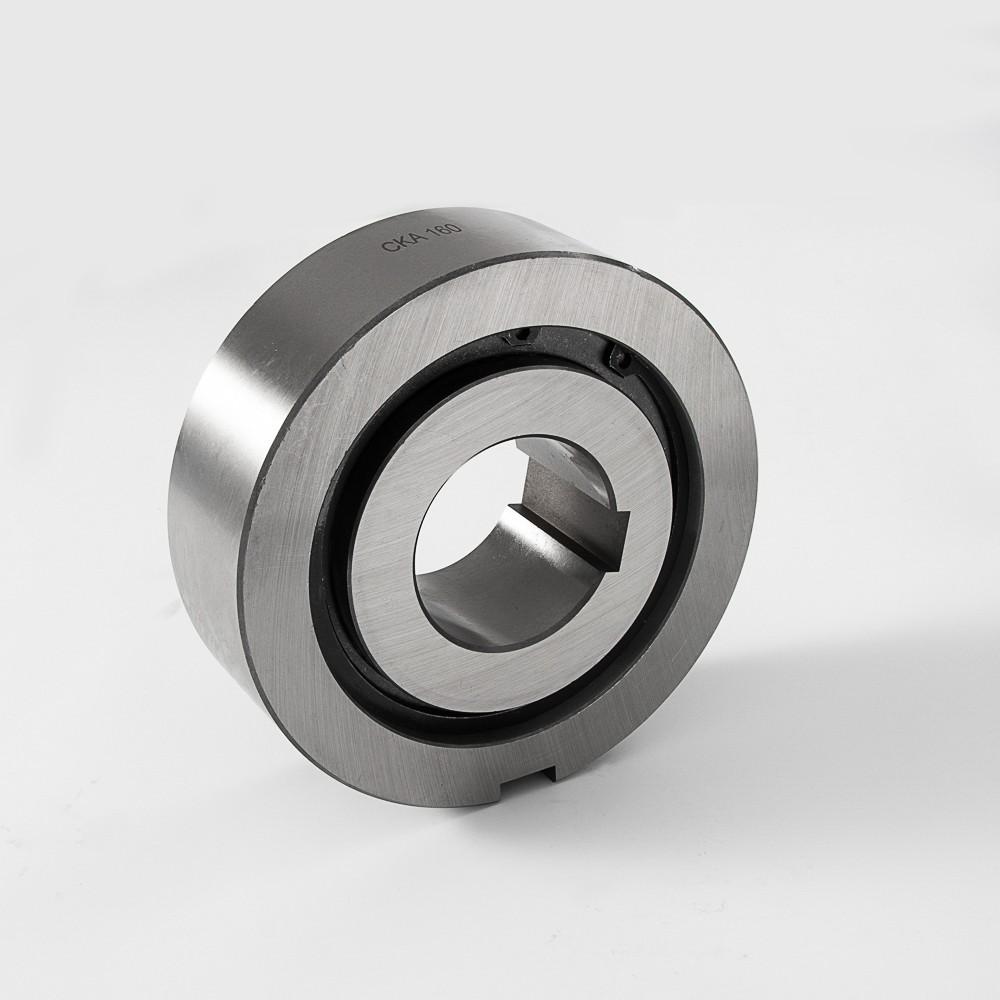
You always want your machines to work safely. One way bearing stops machines from moving backward. This helps stop accidents and keeps things working well. Safety is important when picking a bearing type. The right bearing can make your workplace safer. You should know how each bearing changes safety before you choose.
Key Takeaways
One way bearings stop things from moving backward. This makes machines safer, like conveyors and elevators.
Standard bearings make less friction. This helps machines work longer and use less energy.
If you install and take care of bearings the right way, machines do not break. This keeps machines safe.
Picking the best bearing for your machine helps it work well and stay safe.
New things like smart bearings and checking machines early help them last longer.
Bearing Types and Safety Roles
One Way Bearing Safety Features
A one way bearing can make machines safer. It lets a shaft spin in only one direction. If the shaft tries to go backward, it locks. This stops backdriving and keeps equipment safe from harm. Many machines need this to stop accidents from reverse movement.
Stops backdriving
Keeps machines safe
Makes many machines safer
One way bearing helps your system do its job right. You can stop sudden problems and keep people safe. Safety rules say bearings must pass tough tests. These rules make sure your bearing is safe in real life.
Standard Bearing Safety Aspects
Standard bearings help machines stay safe too. They cut down friction between moving parts. This means less damage and longer life for your machines.
Standard bearings stop machines from breaking
They help save energy
They help machines last longer
They follow safety rules like ISO and ANSI
You can count on standard bearings in many places. They help stop breakdowns and accidents. You also know these bearings follow expert rules.
How Bearings Prevent Accidents
Bearings help machines run without trouble. You can avoid sudden stops and dangerous problems.
Ball bearings hold up wheels and gears
Cylindrical bearings carry heavy things in cranes
Tapered roller bearings work in big trucks
Slew bearings let cranes turn
Needle bearings fit in small machines
Joint bearings help with steering and hydraulics
You pick the right bearing for each use. This helps stop accidents and keeps everyone safe. Both one way bearing and standard bearings follow safety rules. You can feel good knowing your machines are safe.
Safety Comparison: One Way vs Standard
Reverse Motion Protection
You need to keep machines moving in the right direction. One way bearing gives you this control. It lets parts spin forward but blocks them from going backward. This feature is very important in conveyor systems and elevators. If a conveyor moves backward, products can fall and cause injuries. You want to stop this from happening.
One way bearing handles heavy loads and keeps torque steady.
It allows only one direction of movement and blocks reverse motion.
You use it in places where you must control movement for safety.
Standard bearings do not stop reverse motion. They let shafts spin both ways. This can lead to accidents if a machine rolls back when it should not. You get better safety with one way bearing in systems where reverse movement is dangerous.
Tip: Use one way bearing in machines where you must stop backward movement to protect people and equipment.
Load Handling and Failure Risks
You want your bearings to handle loads without breaking. One way bearing works well with heavy-duty loads. It keeps machines safe by locking up if something tries to move the wrong way. This helps you avoid sudden failures.
Standard bearings also carry loads and reduce friction. They help machines run smoothly and last longer. But they do not protect against reverse motion. If a load pushes the wrong way, standard bearings cannot stop it.
You must think about the risks. Overloading any bearing can cause problems. Too much weight can make bearings heat up and wear out fast. You need to pick the right bearing for your machine’s load.
Common Failure Modes
Bearings can fail if you do not take care of them. You should know the common reasons:
Inadequate lubrication: If you use the wrong oil or forget to add it, bearings wear out quickly.
Contamination: Dirt or dust can get inside and damage the bearing.
Misalignment: If you do not line up the parts, the bearing wears out unevenly.
Overload: Too much weight makes the bearing hot and weak.
Improper installation: If you do not install the bearing right, it can break.
Both one way bearing and standard bearings can fail for these reasons. You must check your bearings often and keep them clean. Good maintenance helps you avoid accidents and keeps your machines safe.
Note: Always follow the manufacturer’s instructions for installing and caring for your bearings. This keeps your machines running safely.
Application Safety
One Way Bearing in Applications
You see one way bearing in many safe machines. In conveyor systems, it stops the belt from going backward. This keeps products from falling and hurting people. In elevators, it stops the cabin from sliding down if the motor fails. You also find it in machines that only move one way.
One way bearing stops backdriving and protects people and machines.
It makes rollers go forward, so you do not get jams or damage.
Tianniu's Backstop Clutch is a good example. You use it in conveyors, elevators, and big machines. It locks the shaft if something tries to move backward. This keeps your equipment safe and your workplace secure.
Here is a table that shows how Tianniu Backstop Clutch and standard bearings are different:
Feature | Tianniu Backstop Clutch | Standard Bearings |
|---|---|---|
Reverse Rotation Prevention | Yes | No |
Operational Safety Enhancement | High | Moderate |
Efficiency in One-Way Movement | Yes | Limited |
Standard Bearing Use Cases
You use standard bearings in lots of machines. They help wheels turn, gears spin, and motors work well. These bearings lower friction and help machines last longer. You see them in cars, fans, and bicycles.
Standard bearings do not stop reverse motion. They let parts move both ways. This is good for machines that need to change direction, like steering or turning tables.
When you look at safety in big machines, you see why picking the right bearing matters. Here is a table that shows how bearings make maintenance safer:
Safety Benefit | Description |
|---|---|
Improved Maintenance Safety | You lift fewer heavy parts, so you have less risk during repairs. |
Lower Risk of Injuries | You avoid crushing injuries and falls by handling lighter parts. |
Significant Accident Reduction | Maintenance accidents go down when you use bearings made for easy handling. |
Tip: Always pick the bearing that fits your machine’s needs. This helps you keep your workplace safe and your equipment working well.
Choosing for Safety
Installation and Maintenance
You want your bearings to work well and keep machines safe. Good installation and care help you do this. When you use one way bearings, always use clean tools and gloves. Work in a clean place to keep out dirt. Use filters when you add oil to the bearing. This keeps tiny bits from getting inside and causing harm. Always follow what the manufacturer says and use the right tools. Check the load ratings and never put too much weight on the bearing. New tools, like oil checks and ultrasound tests, help you find problems early.
Maintenance Practice | Description |
|---|---|
Clean Assembly Practices | Use clean tools, wear gloves, and work in a clean area when handling bearings. |
Filter Lubricants | Use filters when adding oil to reservoirs to reduce contamination. |
Proper Installation Techniques | Follow manufacturer guidelines and use the correct tools to ensure proper installation. |
Load Management | Understand and adhere to load ratings to avoid overloading and shock loading. |
Predictive Maintenance Technologies | Utilize oil analysis, thermography, and ultrasound testing for timely interventions. |
Tip: Clean hands and the right tools help bearings last longer and work safer.
Operating Conditions
You need to think about where your bearings will be used. Standard bearings can have trouble in harsh places. Strong cleaners, high-pressure water, and changes in heat or wetness can cause rust and damage. In food factories, bearings get wet and need lots of cleaning. High-pressure water can break seals and let dirt in. This can make the bearing break and cause safety problems. Always pick the right bearing for the place it will work for best safety.
Long-Term Reliability
You want your machines to stay safe for a long time. In important jobs, rolling bearings must work well to stop surprise breaks and injuries. You can use new tools to find wear early. This helps you stop downtime. New codes, like GS1 DataMatrix, make it easy to track and care for bearings. There are also new designs with self-lubricating materials and smart sensors. These smart bearings watch heat, shaking, and load all the time. They help you fix problems before they get bad. Air bearings use air to lower friction and need less care. These new ideas make your machines safer and last longer.
Predictive maintenance finds problems early.
Smart bearings give real-time data.
Self-lubricating materials last longer.
Air bearings reduce friction and maintenance.
Note: Picking the right bearing and using new tech helps you keep your workplace safe and your machines running well.
You want the safest option for your machines. One way bearings boost safety in systems where reverse motion can cause harm. Roller bearings work best for heavy loads and shocks, like in conveyors or turbines. To keep your bearings safe, you should:
Use the right lubricant.
Install bearings with proper tools.
Watch for overloads.
Protect against dust and moisture.
Think about your machine’s needs. Ask an expert if you are unsure. The right bearing keeps your workplace safe.
FAQ
What is a one way bearing?
A one way bearing lets parts move in only one direction. You use it to stop machines from rolling backward. This helps protect people and equipment from accidents.
Where should you use a one way bearing?
You use a one way bearing in conveyor systems, elevators, and machines that must not move backward. It keeps products safe and stops dangerous motion.
How do you maintain bearings for safety?
You clean bearings often. You use the right oil. You check for wear and damage. You follow the manufacturer’s instructions to keep your machines safe.
What makes Tianniu’s Backstop Clutch special?
Tianniu’s Backstop Clutch prevents reverse rotation. You get reliable performance and strong safety. It works well in tough environments and lasts a long time.
Recommended Products
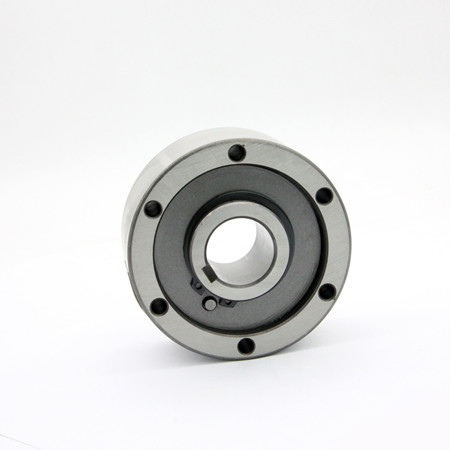
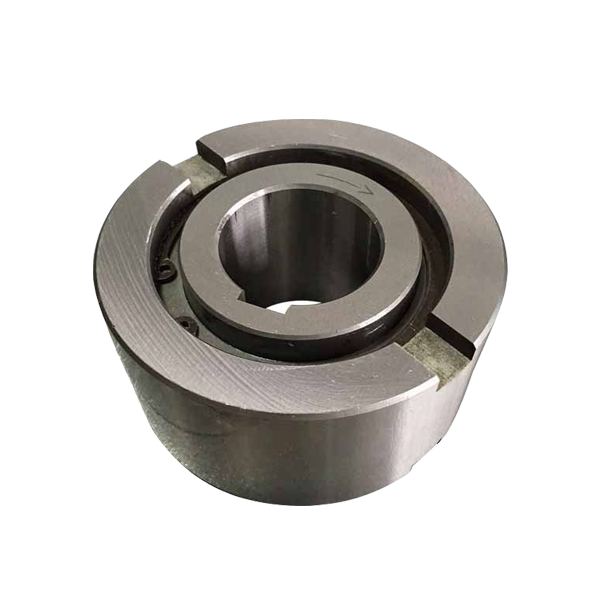
FE Wedge Type One Way Bearing
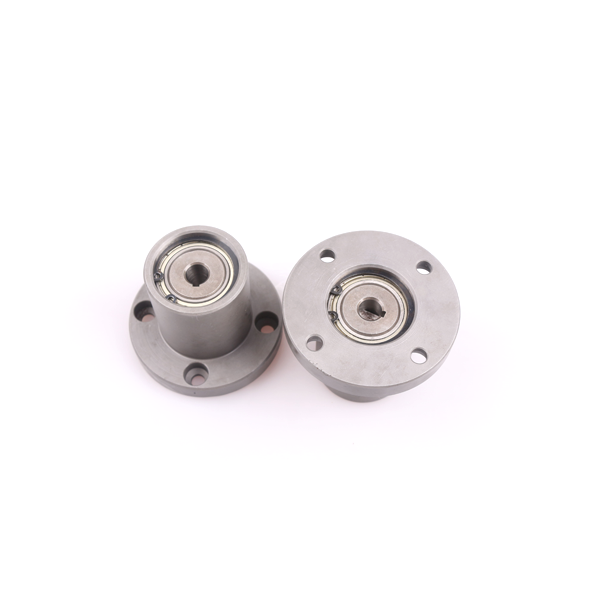
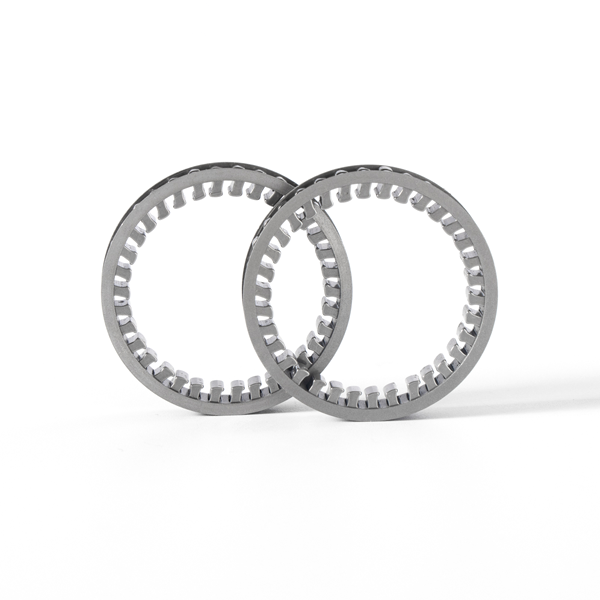
FWD Wedge Type One Way Clutch
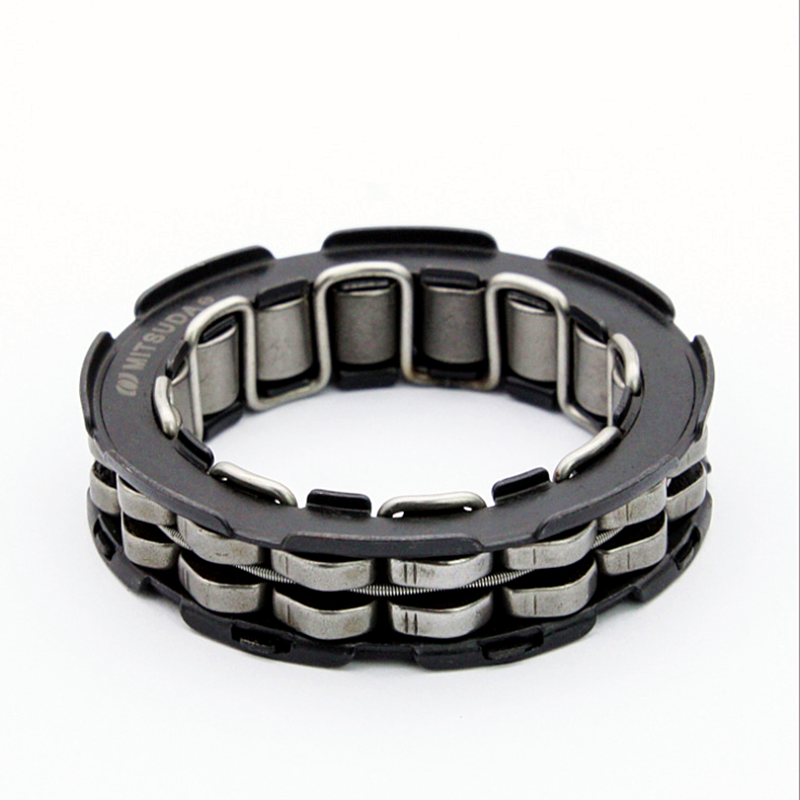
GC-C One Way Backstop Clutch With Roller Type
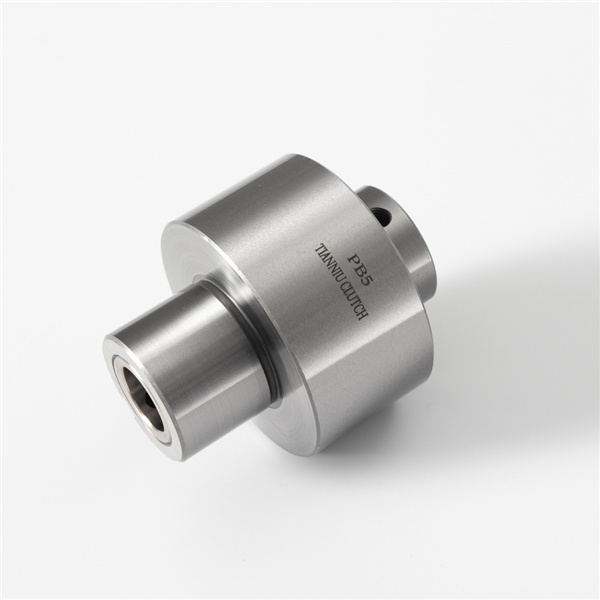
PB Sprag Type Overrunning Clutch
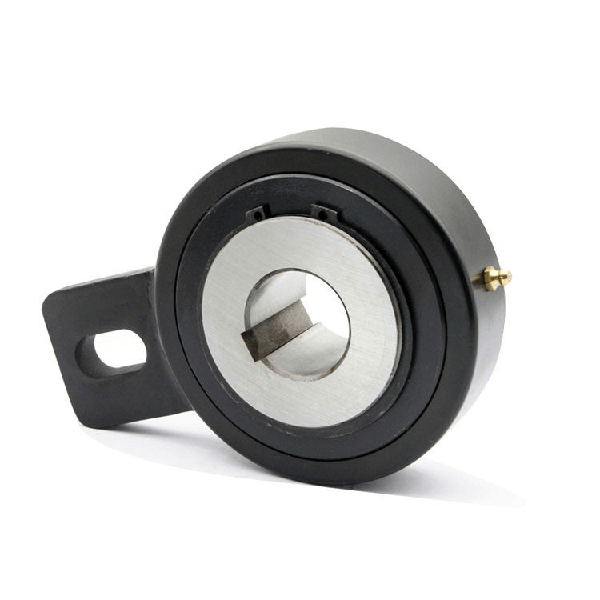
CK-N Sprag Type One Way Clutch With Low Speed
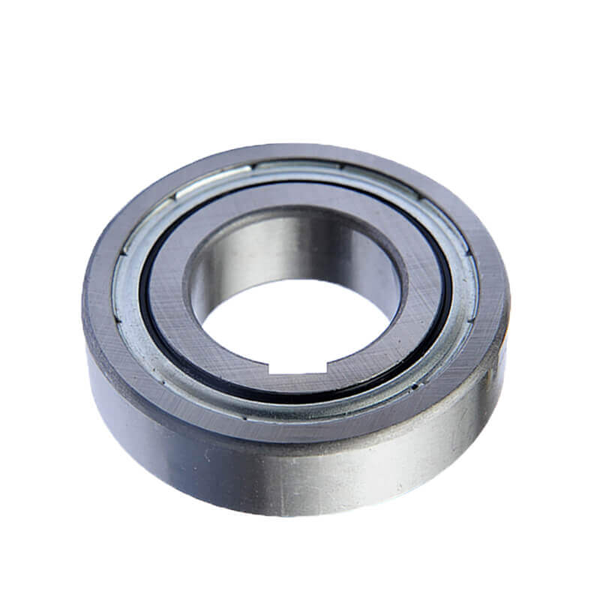
BB One way Freewheel Bearing Clutch
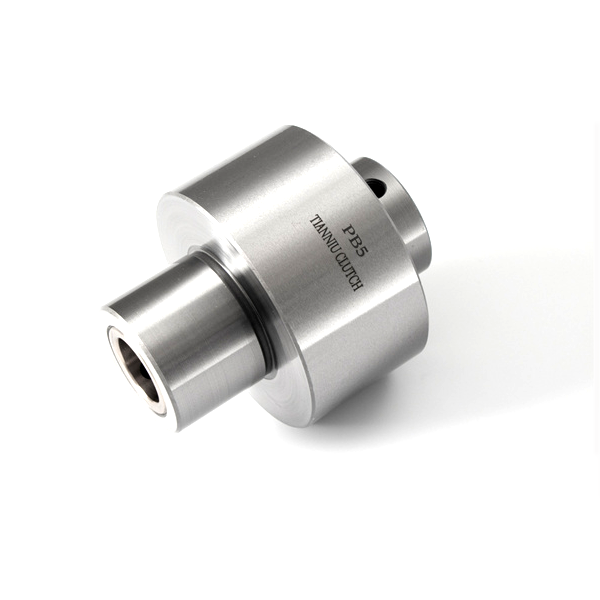
CK-L One Direction Bearing With Sprag Type
Bearing material GCR15 AE Roller Type One Way Backstop Clutch
Recent News
1.Essential Guide to Using Backstop Clutch in Conveyor Systems
2026-06-022.What Are Encoder Shaft Couplings and How Do They Work
2026-05-153.Electromagnetic Clutch Secrets Every Textile Mill Needs
2026-02-284.One Way Clutch Bearing Makes Packing Faster and Easier
2026-04-085.A Beginner's Guide to Overrunning Clutch Bearings
2026-04-076.What is a Friction Torque Limiter and How Does It Work
2026-05-28