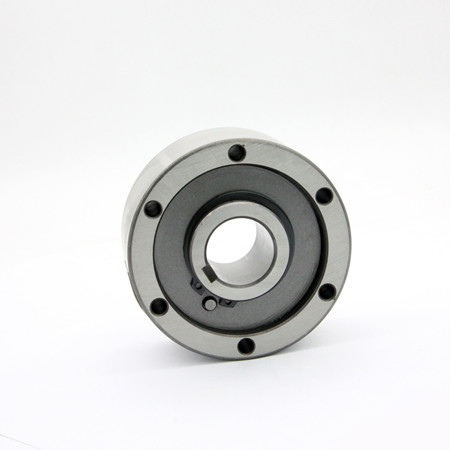




Introduction and application of clutch one way bearing
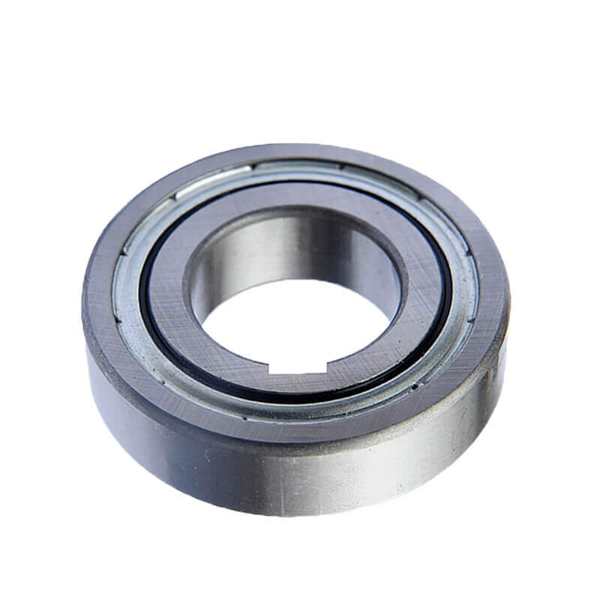
You can think of a clutch one way bearing as a special mechanical part that lets a shaft turn in one direction but stops it from turning the other way. This clutch plays a key role in making sure machines only move as they should. It helps transfer power when needed and prevents backward movement, which keeps equipment safe and working well. In fact, the one way clutch bearing market reached $1.2 billion in 2024 and is expected to grow quickly. You will find this clutch in cars, industrial machines, and many power tools.
The market for one way clutch bearings was valued at USD 1.2 billion in 2024.
It is projected to reach USD 2.5 billion by 2034.
The market is expected to grow at a rate of 7.5% each year.
Key Takeaways
A clutch one way bearing lets a shaft spin one way. It stops the shaft from moving backward. This keeps machines safe and working well.
The market for one way clutch bearings is growing fast. It may reach $2.5 billion by 2034. This shows they are becoming more important in many industries.
Picking the right clutch means thinking about torque capacity, speed, and the environment. This helps the clutch work well and last longer.
Regular care, like cleaning and adding oil, is very important. It keeps your clutch one way bearing working smoothly. It also stops expensive problems from happening.
There are different types of one-way bearings, like sprag and roller clutches. Each type is used for special jobs. Knowing their features helps you pick the best one for your needs.
Clutch One Way Bearing Basics
What Is a Clutch One Way Bearing
You will find a clutch one way bearing in many machines that need controlled movement. This bearing lets a shaft turn in one direction and stops it from turning the other way. You can think of it as a safety feature that keeps parts moving as intended. The clutch works by locking when you try to turn it backward, so it prevents damage and keeps the system safe. You often see this bearing in cars, conveyor belts, and power tools.
A clutch one way bearing is different from a standard one-way bearing and a sprag clutch. The table below shows the main differences:
| Feature | Sprag Clutch | Roller Clutch |
|---|---|---|
| Working Principle | Uses wedge-shaped sprags that tilt to engage/disengage. | Uses cylindrical rollers for engagement. |
| Smoothness | Very smooth and silent. | Smooth but less efficient. |
| Load Capacity | High torque capacity. | Medium torque capacity. |
Sprag clutch uses special wedge-shaped parts called sprags. Roller clutch uses rollers instead. Sprag clutch gives you smoother and quieter operation and handles more torque.
How One-Way Bearings Work
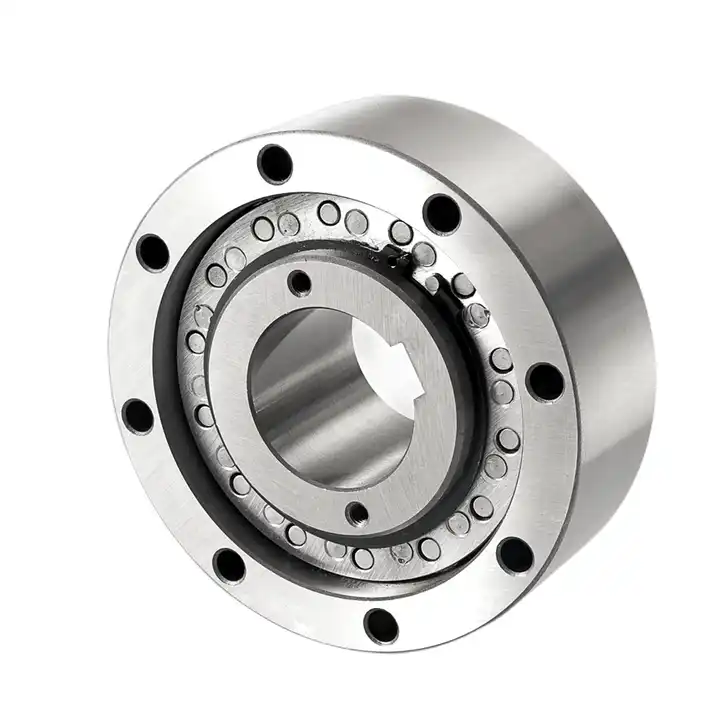
You can see how a one-way bearing works by looking at its parts. The bearing has rollers or sprags inside. These parts engage with the housing when you turn the shaft in the allowed direction. When you try to turn the shaft the other way, the rollers or sprags disengage, and the shaft spins freely.
The bearing transmits torque in one direction.
It allows free rotation in the opposite direction.
Rollers or sprags pinch between the inner and outer rings to lock the shaft.
The size and number of rollers or sprags affect how much torque the bearing can handle.
When you apply torque in the allowed direction, the sprags lock the inner and outer rings together.
If you apply torque in the reverse direction, the sprags release, and the shaft spins without resistance.
You can rely on this mechanism to keep machines running smoothly and prevent unwanted movement.
Sprag Clutch Principle
The sprag clutch is a special type of one-way bearing. It uses wedge-shaped sprags to control movement. When you turn the shaft in the correct direction, the sprags engage and lock the shaft. This lets the clutch transfer torque and keeps both parts moving together. If you try to turn the shaft the other way, the sprags disengage, and the shaft spins freely.
Sprag clutch transfers torque in one direction.
It allows free rotation in the opposite direction.
In the engaged state, both parts rotate together.
In the disengaged state, the parts can move at different speeds.
The sprags are larger than the gap they fit in, so they engage quickly when the direction changes.
You get several advantages with a sprag clutch:
| Advantages | Description |
|---|---|
| High Torque Capacity | Handles heavy loads easily |
| Compact Design | Fits in small spaces |
| Silent Operation | Runs quietly |
| Instant Engagement | Locks quickly |
| Durability | Lasts a long time |
You can use sprag clutch in places where you need smooth, reliable, and silent operation. It works well in cars, industrial machines, and aerospace equipment.
Structure and Components
Key Parts Overview
When you look inside a clutch, you will find several important parts that work together.
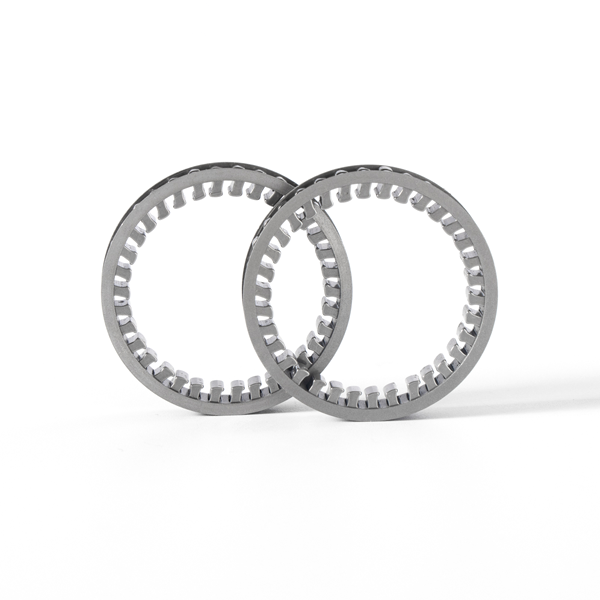
You see a set of asymmetrical elements. These can be sprags, rollers, or cams.
These parts sit inside a housing or raceway.
The elements engage or disengage with the housing to control which way the shaft turns.
The slope and roller type one-way clutch has an outer ring with a smooth inner surface, an inner ring with a slope, and a set of rollers. Springs push these rollers so they always touch both rings. This design helps the clutch lock or release quickly.
Materials Used
You want your clutch to last a long time and work well. The materials used in each part make a big difference.
High-strength materials help the clutch stay strong and durable.
Precision manufacturing makes sure the clutch works the same way every time.
Special surface treatments protect the clutch from wearing out or breaking.
Most inner and outer rings, rollers, and springs use hardened chromium steel. This metal resists wear and keeps the clutch working even under heavy use.
Types of One-Way Bearings
You can choose from many types of one-way bearing, each with its own job.
One-way bearing with roller clutch
One-way bearing with cam clutch
One-way bearing with sprocket clutch
One-way bearing with pawl clutch
One-way bearing with wrap spring clutch
One-way bearing with centrifugal roller clutch
| Type of One-Way Bearing | Application/Functionality |
|---|---|
| Roller Clutch | Handles high torque and speed; good for large numbers of machines. |
| Sprag Clutch | Used for high torque; gives good value for smaller batches. |
| Cam Clutch | Needed when you want precise control over locking and unlocking. |
| Sprocket Clutch | Works with sprockets in hybrid systems. |
| Pawl Clutch | Simple locking for basic needs. |
| Wrap Spring Clutch | Fits in small spaces where you need a compact solution. |
| Centrifugal Roller Clutch | Uses speed to engage; best for fast-moving machines. |
You often see a sprag clutch in machines that need smooth and silent operation. The sprag clutch can handle heavy loads and locks quickly. You will find the sprag clutch in cars, industrial machines, and even some bicycles.
Applications and Industry Use
Industrial Machinery
Clutch one way bearing is used in many machines. These bearings help machines move forward. They stop machines from moving backward. This keeps equipment safe and working well.
Some common uses are:
Conveyors use these bearings to keep the belt moving forward. They stop the belt from rolling back when loading.
Index tables use them for precise movement.
Packaging machines use them to control materials and work better.
The Tianniu Backstop Clutch is a good example. It uses a wedge type one-way clutch. This clutch stops reverse rotation and overrunning speed. The outer ring lets the shaft spin freely in one direction. This keeps machines running smoothly.
| Application | Function | Benefits |
|---|---|---|
| Conveyor Systems | Stops the belt from moving backward during power outages. | Makes workers safer and keeps equipment reliable. |
| Elevators | Stops the elevator from rolling back. | Lowers risk of accidents and equipment damage. |
| Industrial Drives | Lets torque move safely and stops reverse motion. | Reduces maintenance and lowers risks. |
Automotive Applications
Sprag clutch and freewheel clutch are found in cars and trucks. These clutches help automatic transmissions work. They control gear shifts and manage torque. This makes acceleration and deceleration smooth.
When you start your car, clutch one way bearing stops slipping. It reduces shift shock caused by low oil pressure. This makes your ride smoother and safer.
Sprag clutch also stops reverse motion in starter motors. The engine cannot force the starter to spin when it should not. This keeps your vehicle safe. You get better gear shifts and less wear on the transmission.
These clutches let torque move in one direction.
They stop reverse motion, which is important for safety.
They help your car shift gears smoothly and protect the starter motor.
Other Common Uses
One-way bearings are used in many other places. Bicycles use them in the freewheel clutch. This lets you coast without pedaling. Motorcycles use them in starting systems and transmissions. In aerospace, these bearings help with landing gear and engine starting.
One-way bearings let machines turn in one direction. They lock in the other direction. This stops reverse rotation and keeps equipment safe. You can trust these bearings to protect machines from damage and make sure everything works right.
Selection and Maintenance
Choosing the Right Bearing
You want your machines to run smoothly and last a long time. To do this, you need to pick the right clutch for your needs. Start by looking at the technical details. Check the torque capacity, speed, and size that your machine requires. You should also think about the environment. High temperatures, dust, or strong vibrations can affect how well your clutch works.
| Factor | Description |
|---|---|
| Technical Specifications | Look at torque, speed, and size. |
| Environmental Conditions | Think about heat, dust, and shocks. |
| Material Selection | Choose strong materials for long life. |
| Industry Compliance | Make sure the clutch meets safety rules. |
| Performance Metrics | Check how long it lasts and how much energy it uses. |
| Cost-Efficiency | Think about the total cost, not just the price. |
| Quality Assurance | Buy from trusted makers with good testing. |
| Integration Capabilities | Make sure it fits with other machine parts. |
| After-Sales Support | Pick a brand that offers help and spare parts. |
You also need to match the clutch to your machine’s load and speed. For example, a sprag clutch can handle high torque and works well in machines that need quick locking.
Maintenance Tips
You can keep your clutch working well with simple care. Clean the parts often to remove dust and dirt. Use the right oil or grease for lubrication. This helps the sprag clutch move smoothly and last longer. Check for signs of wear, like strange noises or rough movement. Replace worn parts before they cause bigger problems.
Tip: Write down when you clean or oil your clutch. This helps you remember and spot problems early.
Troubleshooting
If your clutch stops working right, you can fix many problems yourself. Listen for grinding or squeaking sounds. These can mean the clutch needs more oil or has worn parts. If the machine slips or does not lock, check the alignment and make sure all parts fit tight. Look at the seals and springs for damage. If you cannot find the problem, ask for help from the maker or a skilled repair person.
A little care goes a long way. You can keep your bearing safe and your machines running strong.
You rely on a clutch one way bearing to keep machines safe and efficient. This clutch helps prevent damage and supports smooth operation. When you choose a high-quality clutch, you lower the risk of breakdowns and improve how your equipment works. Always match the clutch to your machine’s needs. Regular checks and care help your clutch last longer and perform better.
FAQ
What is the main purpose of a clutch one way bearing?
You use a clutch one way bearing to let a shaft turn in one direction. It stops the shaft from turning backward. This keeps your machines safe and working as they should.
How do I know if my clutch one way bearing needs replacement?
Look for signs like strange noises, slipping, or rough movement. If your machine does not move smoothly or locks up, you may need to replace the bearing.
Can I use any lubricant for my clutch one way bearing?
You should use the lubricant recommended by the manufacturer. The right oil or grease helps your bearing last longer and work better.
Where can I find clutch one way bearings for industrial use?
You can buy clutch one way bearings from trusted suppliers or manufacturers. For example, Tianniu offers high-quality backstop clutches for many industrial machines.
Are clutch one way bearings hard to install?
Most clutch one way bearings are easy to install if you follow the instructions. Always check the fit and alignment before starting your machine.