




Backstop Clutch vs Overrunning Clutch: Key Differences
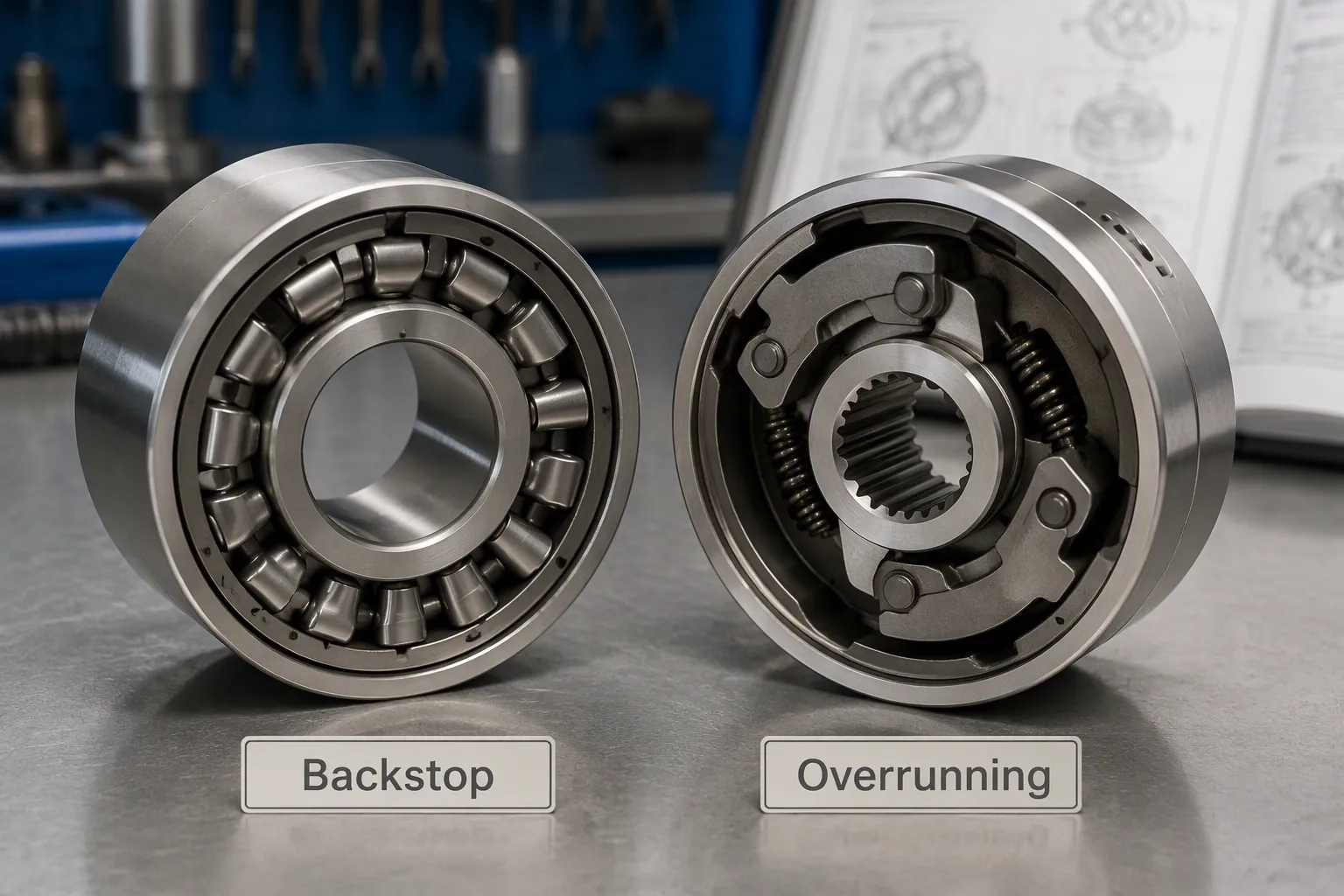
A backstop clutch prevents reverse rotation and holds a load in place. An overrunning clutch allows free rotation in one direction and locks in the other. Both belong to the one-way clutch family. Their primary purposes differ, though. One acts as a safety device. The other acts as a directional coupling. This comparison of backstop clutch vs. overrunning clutch examines design, function, applications, and cost. Readers can then match the right type to their motion-control needs. A clear understanding of each device supports a sound selection decision.
Key Takeaways
A backstop clutch stops reverse rotation and holds a load in place. It acts as a safety device.
An overrunning clutch allows free rotation in one direction and locks in the other. It manages drive direction.
Backstop clutches suit inclined conveyors, winches, and other equipment that must hold loads. Overrunning clutches fit indexing and freewheeling tasks.
Match the clutch to the machine's motion and load. Check the torque rating against peak load, not running load.
Both types belong to the one-way clutch family. Each serves a different purpose, so choose based on the job.
Backstop Clutch vs. Overrunning Clutch: Core Definitions
What a Backstop Clutch Does
A backstop clutch is a one-way clutch with a single job: it stops a machine shaft from turning backwards. The device also holds the load in position if a machine malfunctions or fails. Engineers sometimes call this device a hold-back clutch or a backstopping clutch. The name changes by region and industry. The function stays the same.
The backstop clutch works as a safety element. A drive may lift a load, raise a gate, or carry material up a slope. Gravity pulls against that motion at all times. If power drops or a coupling breaks, the load wants to run backward. The clutch blocks that reverse motion instantly. The load stays where it is. People and equipment stay safe.
This definition matters for the backstop clutch vs. overrunning clutch question. The backstop device is defined by what it prevents. Its normal state is a locked shaft under load.
What an Overrunning Clutch Does
An overrunning clutch is a directional coupling. It engages and disengages automatically, based on the relative direction of rotation between its inner and outer races. One direction drives the load. The other direction releases it, so the shaft freewheels.
The overrunning clutch serves motion control, not just safety. A common form is the sprag clutch. A sprag clutch uses tilted metal elements that grip in one direction and slip in the other. A one-way sprag clutch suits high overrunning speeds and also works in backstopping duty. Another common form is the family of cam clutches. These use cams that lock against a race when rotation reverses. Mechanical overrunning clutches of both designs appear in indexing clutch setups, where a shaft advances in steps and then rests. The clutch permits overrunning during the return stroke.
Both devices share the one-way principle. The difference lies in purpose. A backstop clutch protects against reverse rotation and holds a load. An overrunning clutch manages drive direction and allows free rotation. Neither type is superior. Each fits a different motion-control task.
Design Differences
Backstop Clutch Construction
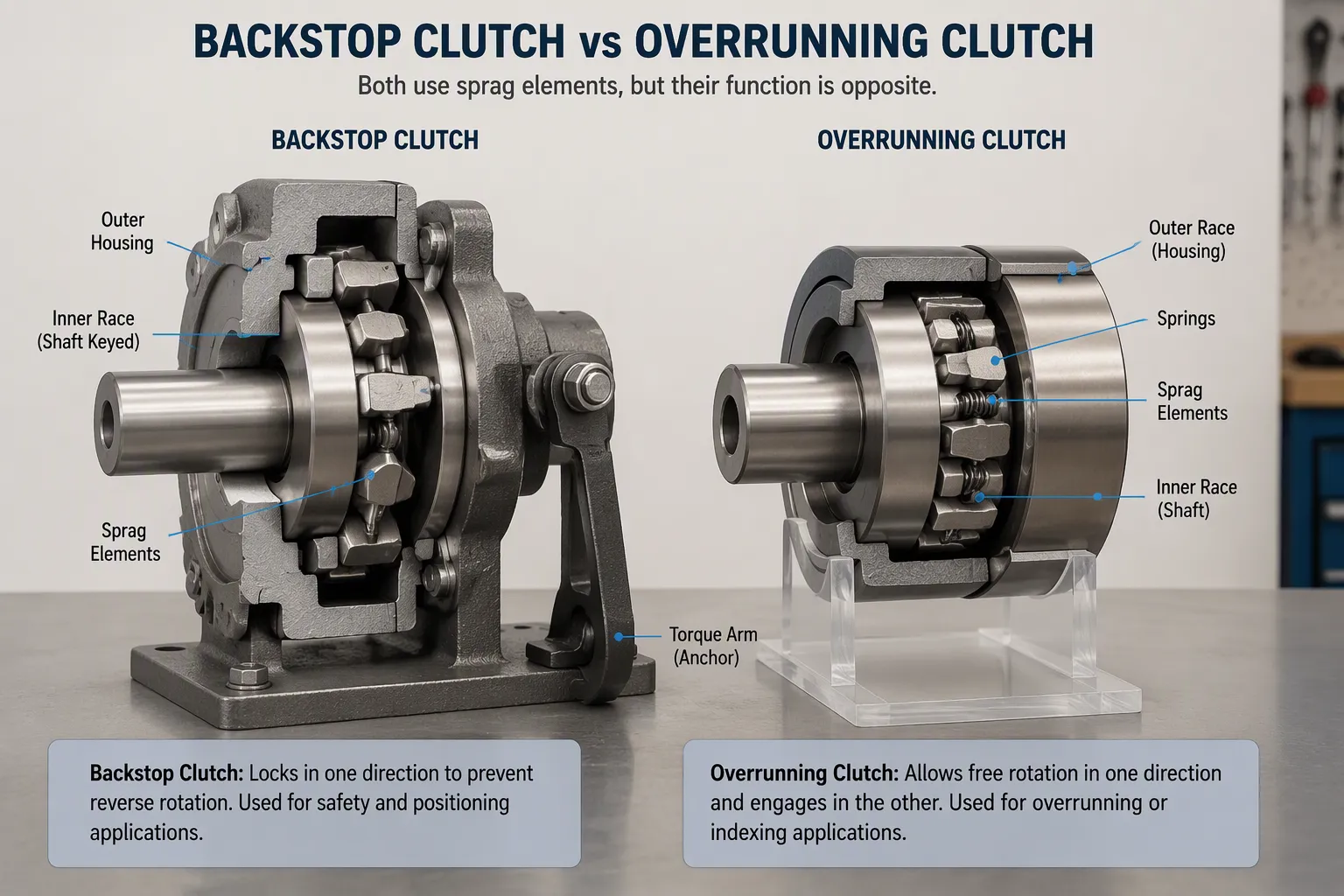
A backstop clutch is built around a strong outer housing and a shaft-mounted inner race. Locking elements sit between the two races. These elements may be sprags, rollers, or cams. A torque arm or mounting flange anchors the outer member to the machine frame. This anchor absorbs the reaction force when the clutch locks. The arm also keeps the housing from spinning during free rotation.
The inner race keys to the shaft, and the outer race stays fixed. This split between a rotating inner member and a stationary outer member defines the layout. The housing must carry the full load during a hold-back event. Designers size the races and locking elements for peak load, not running load. Seals and lubrication keep the elements clean and reduce wear. Many units are sealed for life, so maintenance stays low. The construction favors rigidity and load capacity over fast release. A heavy cast or machined body is common. Bolt patterns follow the driven equipment, so the unit drops into place with little modification. The locking elements are the heart of the design. Their shape and material decide how much load the unit can hold and how often it can cycle.
Overrunning Clutch Construction
A sprag clutch is a type of overrunning clutch. Roller ramp types place dowel-shaped rollers in wedge-shaped pockets, and light springs hold them in place. Sprag types use irregularly shaped sprags that tip and wedge between cylindrical members. Wrap spring designs tighten a helical spring on a sleeve to transmit torque in one direction. Wedge ramp designs keep rollers in an outer member, and more rollers raise capacity.
Cam clutches and mechanical overrunning clutches follow the same one-way principle with different element shapes. A sprag clutch suits high overrunning speeds and also serves backstopping duty. The one-way sprag clutch locks positively for heavy-duty use. Sprag clutches appear in indexing drives and hold-back systems alike. Each sprag clutch design trades some simplicity for locking precision. Cam clutches with pawls handle simpler low-torque jobs. The choice among these designs depends on speed, load, and space. Roller and cam types release quickly, while sprag types hold firmly under load.
Locking Action and Slip Behavior
How Backstop Clutches Hold Loads
In backstopping applications, the clutch allows the drive shaft to rotate freely in one direction but prevents rotation in the opposite direction. The locking action follows a fixed sequence:
During normal operation, the backstop clutch permits the conveyor pulley to rotate freely in the forward direction.
In an inclined conveyor, the material load continuously generates reverse torque on the drive system. When power fails or the drive stops suddenly, gravity causes the loaded belt to roll back.
As soon as reverse rotation begins, the clutch locks automatically and mechanically. No manual or electrical intervention is needed.
Because the clutch mounts on the drive pulley shaft at the non-drive end, reverse torque is arrested at its source before it reaches the gearbox. This protects the gearbox from reverse shock loads.
A backstopping clutch therefore acts as a purely mechanical safety element. It holds the load without operator action, and it stops the rotation before damage spreads through the drive train.
How Overrunning Clutches Engage and Release
The freewheel mechanism in an overrunning clutch permits rotation in one direction only. The inner race drives the outer race in the working direction. In the opposite direction, the locking elements release and the shaft freewheels. A sprag clutch tips its sprags to grip or slip, while cam clutches use cams that wedge against a race. Both designs transmit torque in one direction and release in the other.
These devices typically serve low-torque applications where reverse motion must be prevented. Common duties include indexing and freewheeling:
| Clutch type | Indexing duty | Freewheeling duty |
|---|---|---|
| GFR modular | Up to 350 indexes/min | — |
| HPI indexing clutch | Medium to heavy indexing | — |
| FSO / FSR | Light to general indexing | Overrunning and backstopping |
| FW couplings | — | Inner or outer race overrunning |
A one-way sprag clutch suits high overrunning speeds, and a sprag clutch also works in backstopping duty. Each sprag clutch design trades simplicity for locking precision, so match the element type to the duty cycle.
Backstopping, Indexing, and Overrunning: Common Applications
Where Backstop Clutches Fit Best
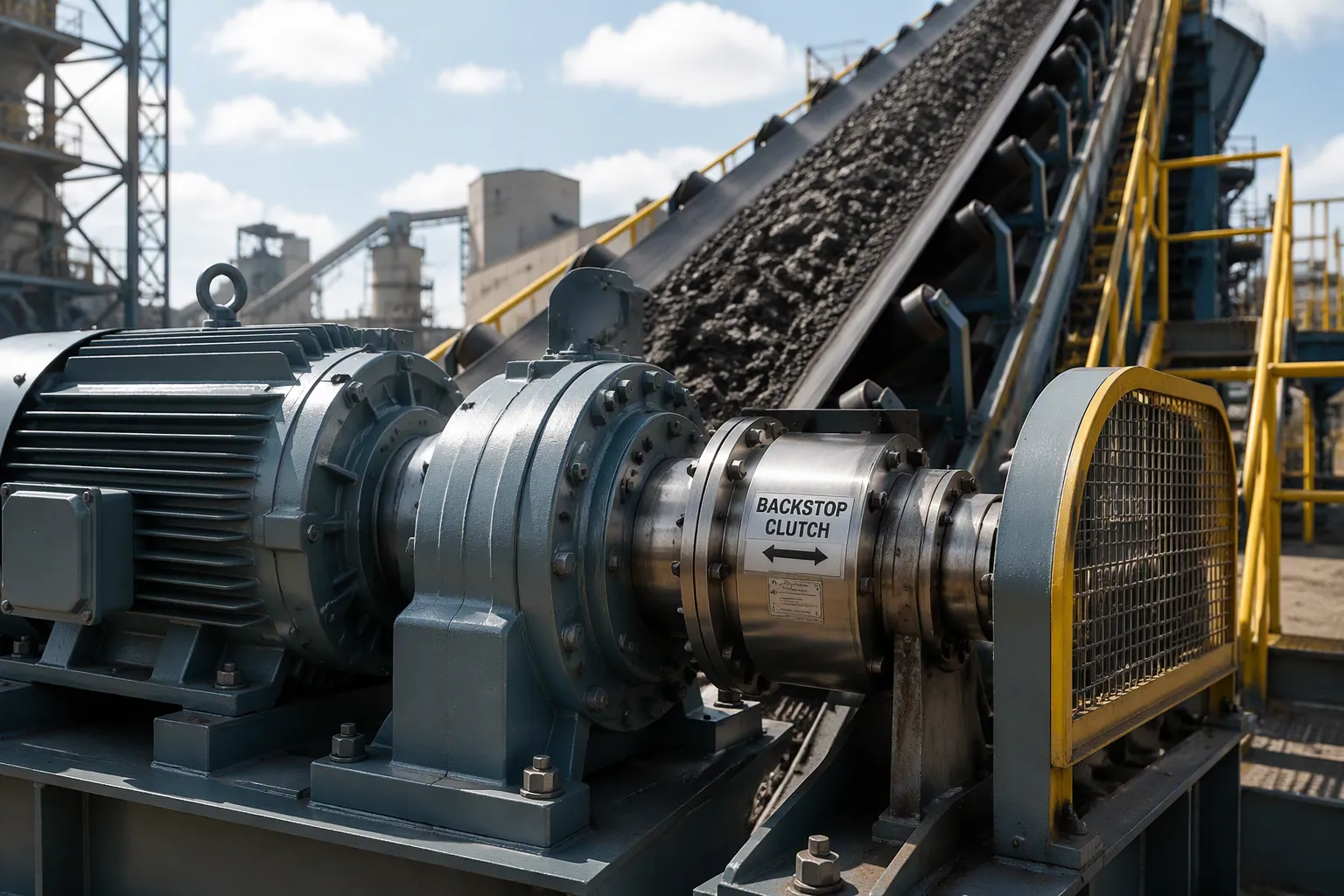
Inclined conveyors are the classic home of the backstop clutch. A loaded belt on a slope stores energy, and gravity pulls it backward the moment drive power disappears. The clutch permits forward rotation and stops the rotation the instant the shaft tries to reverse. This single behavior covers a wide field of backstopping clutch application examples: bucket elevators in cement plants, coal conveyors in power stations, and long-distance ore belts in mining.
Case Study: Load-Sharing Releasable Backstop in Coal Mining
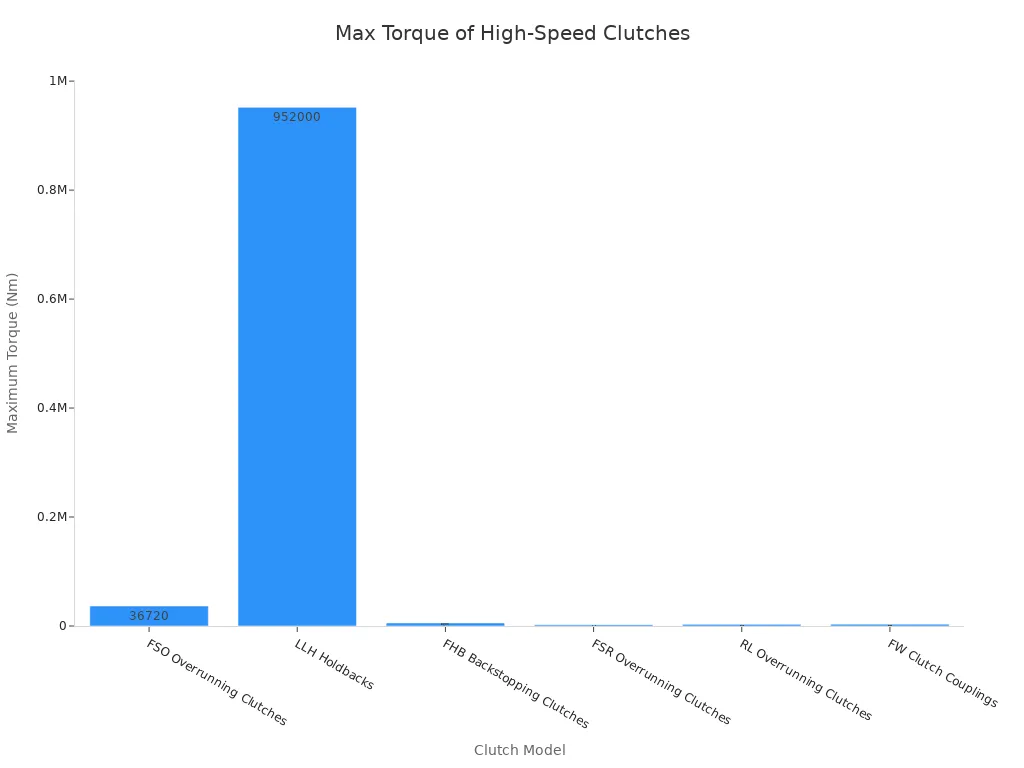
A major gearbox OEM required a load-sharing releasable backstop for a new incline conveyor system at a Pennsylvania coalmine. Unlike conventional backstops with limited reverse rotation after engagement, this system performs a controlled release under load and rotates backward for maintenance and clearing. High-speed backstops with internal torque limiters are mounted on the intermediate shaft of the multi-drive unit, with two or more backstops sharing the reverse load (up to 180,000 Nm capacity). The design prevents uncontrolled runback of the conveyor during an unplanned power outage or drive failure.
Other duties follow the same safety logic. A winch must hold a suspended load when the operator releases the drum, and a winch clutch built on backstopping principles delivers that hold without any brake input. Wind turbine gearboxes, escalators, pumps, and fans all rely on one-way motion for safe operation.
| Industrial Application | Why Backstop Clutches Are Essential for Safety |
|---|---|
| Conveyors (inclined/steep lines) | Prevent the belt from rolling backward, avoiding sudden reverse movement that can injure workers and damage loads. |
| Elevators (construction sites/factories) | Stop elevators from moving in the wrong direction when carrying heavy loads. |
| Mining and construction machinery | Prevent reverse rotation that can damage equipment and create site hazards. |
| Wind turbine gearboxes | Lock to the frame on reverse torque, stopping backward motion. |
Tianniu (提安尼优) engineers custom backstop solutions with high-torque capacities (ranging from 50 Nm up to 1,000,000 Nm), backed by strict ISO testing and rapid lead times for heavy-duty mining, conveyor, and packaging machinery applications.
Where Overrunning Clutches Fit Best
Indexing and freewheeling define the second family. An indexing clutch advances a shaft in precise steps and releases on the return stroke, so a single drive motor produces intermittent feed motion. Ringspann documents that indexing freewheels are employed in packaging machines and filling plants to provide a controlled, intermittent advancing motion. Ningbo TBP Group likewise lists packaging machines among the important applications for its overrunning clutch products. These are the standard indexing clutch application examples.
Freewheeling is the other mode. A sprag clutch lets a shaft coast in one direction while gripping in the other, which suits auxiliary drives and dual-motor arrangements. A one-way sprag clutch also handles high overrunning speeds, and a sprag clutch can serve backstopping duty where the load is moderate. Cam clutches cover lighter indexing tasks with quick release. A winch application can use an overrunning clutch for a free-pull feature, where the drum pays out line freely and locks under load.
The distinction in backstop clutch vs. overrunning clutch selection comes down to duty. Backstopping, indexing, and overrunning are three jobs, and each rewards a different element design. Match the clutch to the motion the machine actually performs.
Cost and Complexity
Backstop Clutch Cost Factors
Three drivers shape the price of a backstop clutch: torque rating, mounting configuration, and testing requirements. Torque rating matters most. A unit sized for a large incline conveyor must hold a heavy load during a hold-back event, so its races and locking elements grow larger and heavier. Higher torque capacity raises material cost and machining time. Mounting configuration adds a second layer. A torque arm, flange, or foot pattern machined to match the driven equipment costs more than a simple shaft mount. Testing and durability demands complete the picture. A safety device must hold under peak load, so manufacturers run load-hold and cycle tests on every design.
Tianniu offers a comprehensive range of backstop clutch models to suit diverse torque requirements and custom mounting configurations. Our engineering team provides dedicated technical support for selection, helping buyers avoid oversizing and ensuring optimal lifecycle costs.
Overrunning Clutch Cost Factors
The same three drivers apply to the overrunning clutch, with a different balance. Torque rating still dominates, yet many overrunning duties are light, so smaller units keep cost low. Element design shifts the price too. A sprag clutch needs precision-formed sprags, and that precision carries a cost. Cam clutches use simpler elements and often cost less for light indexing work. A sprag clutch built for high overrunning speeds demands tighter tolerances and better lubrication, which raises the price again.
Mounting configuration and testing follow familiar rules. A compact shaft-mounted unit costs less than a custom housing. Durability testing matters wherever the clutch must transmit torque thousands of times per shift. Neither type is cheaper across the board. A sprag clutch may cost more than a simple cam clutch, yet a heavy backstop unit may cost more than either. Match the clutch to the duty, and the price follows the fit.
Need Help Selecting the Right Clutch?
Our engineers at Tianniu can help you calculate the exact peak torque and recommend the perfect backstop or overrunning solution for your application.
Get a Free Quote & Technical SupportThe backstop clutch vs. overrunning clutch distinction comes down to purpose. A backstop holds a load and blocks reverse rotation. An overrunning unit releases the drive automatically in one direction. Selection starts with torque requirements, load conditions, and the motion the machine performs. Heavy held loads on inclines point toward backstopping duty, where a sprag clutch can also serve. Light indexing and freewheeling favor a sprag clutch built for high release speeds. Check the torque rating against peak load, not running load. Match the clutch to the actual duty cycle. Defaulting to one type ignores how the machine works. The right fit keeps equipment safe and efficient.
FAQ
Which type holds a load when power fails?
A backstop clutch holds the load. It locks the shaft the moment reverse rotation begins, with no operator action. An overrunning clutch releases the drive in one direction instead. The backstop clutch vs. overrunning clutch choice depends on whether the machine must hold a suspended load.
When should I choose an overrunning clutch instead?
Choose an overrunning clutch for indexing and freewheeling duties. These units engage and release automatically as rotation direction changes. Light torque tasks suit them well. A sprag clutch handles high release speeds in these duties.
Where does a sprag clutch fit in this comparison?
A sprag clutch is a type of overrunning clutch. Its tilted elements grip in one direction and slip in the other. It suits high overrunning speeds and also serves backstopping duty. One sprag clutch design can cover both roles.
Can a winch use either clutch type?
Yes. A winch may use a backstop clutch to hold a suspended load when the operator releases the drum. A winch can also use an overrunning clutch for a free-pull feature, where the drum pays out line freely and locks under load.
Optimize Your Drive System with Tianniu
Whether you need a heavy-duty backstop for an inclined conveyor or a high-speed sprag clutch for indexing, Tianniu provides engineered solutions tailored to your exact peak torque requirements.
Contact Our Engineers Today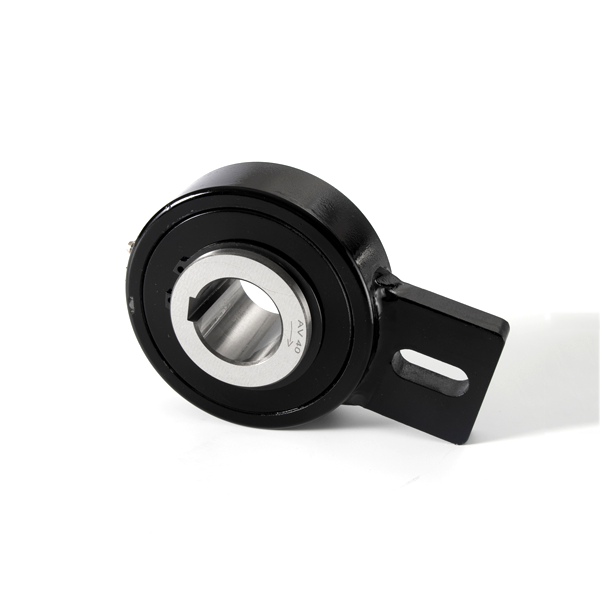


Recent News
1.What Makes FXM Freewheel One Way Clutch Stand Out in 2026
2026-07-032.Essential Guide to Using Backstop Clutch in Conveyor Systems
2026-06-023.Why Do Inclined Conveyors Roll Back When the Motor Stops?
2026-10-154.What Are Encoder Shaft Couplings and How Do They Work
2026-05-155.One Way Clutch Bearing Makes Packing Faster and Easier
2026-04-08